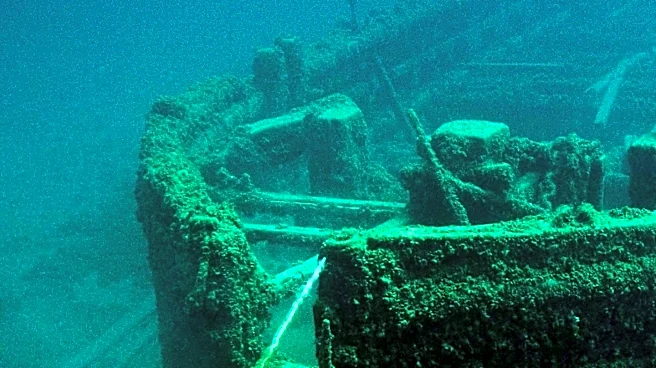







The rediscovery of La Belle in 1995 marked a significant moment in maritime archaeology, shedding light on a pivotal chapter in the history of French exploration in North America. The ship, which had been lost for over three centuries, was found in the murky waters of Matagorda Bay, Texas. The subsequent excavation revealed a treasure trove of artifacts and provided a unique glimpse into the past.
The Search for La Belle
The search for La Belle began in earnest in the 1970s
when historian Kathleen Gilmore analyzed historical accounts of La Salle's shipwrecks. Her research provided clues about the possible location of the wrecks. In 1977, the Texas Historical Commission initiated efforts to locate the ship, but it wasn't until 1995 that a breakthrough occurred. A magnetometer survey, aided by advancements in GPS technology, identified several promising sites in Matagorda Bay.
On July 5, 1995, divers discovered a bronze cannon, confirming the site as the wreck of La Belle. This discovery was a significant achievement, as it provided tangible evidence of La Salle's ill-fated expedition and the French presence in Texas during the 17th century.
The Excavation Process
The excavation of La Belle was a complex and meticulous process. Due to the historical significance of the wreck and the poor visibility in the bay, a cofferdam was constructed around the site. This allowed archaeologists to pump out the water and work in a dry environment. The excavation, which lasted from 1996 to 1997, was one of the most significant maritime archaeological projects of its time.
Archaeologists uncovered a wealth of artifacts, including weapons, trade goods, and personal items. These artifacts provided insights into the supplies deemed necessary for colonization and the challenges faced by the settlers. The excavation also revealed the remains of the ship itself, which were carefully documented and preserved for future study.
The Legacy of La Belle
The rediscovery and excavation of La Belle have had a lasting impact on our understanding of early French exploration in North America. The artifacts recovered from the wreck are now displayed in museums across Texas, offering the public a chance to connect with this fascinating period in history. The project also highlighted the importance of preserving underwater cultural heritage and the role of archaeology in uncovering the past.
La Belle's story is a testament to the resilience and determination of explorers like La Salle, as well as the enduring legacy of their endeavors. The ship's rediscovery has enriched our understanding of the challenges and triumphs of early colonization efforts and continues to captivate historians and the public alike.