
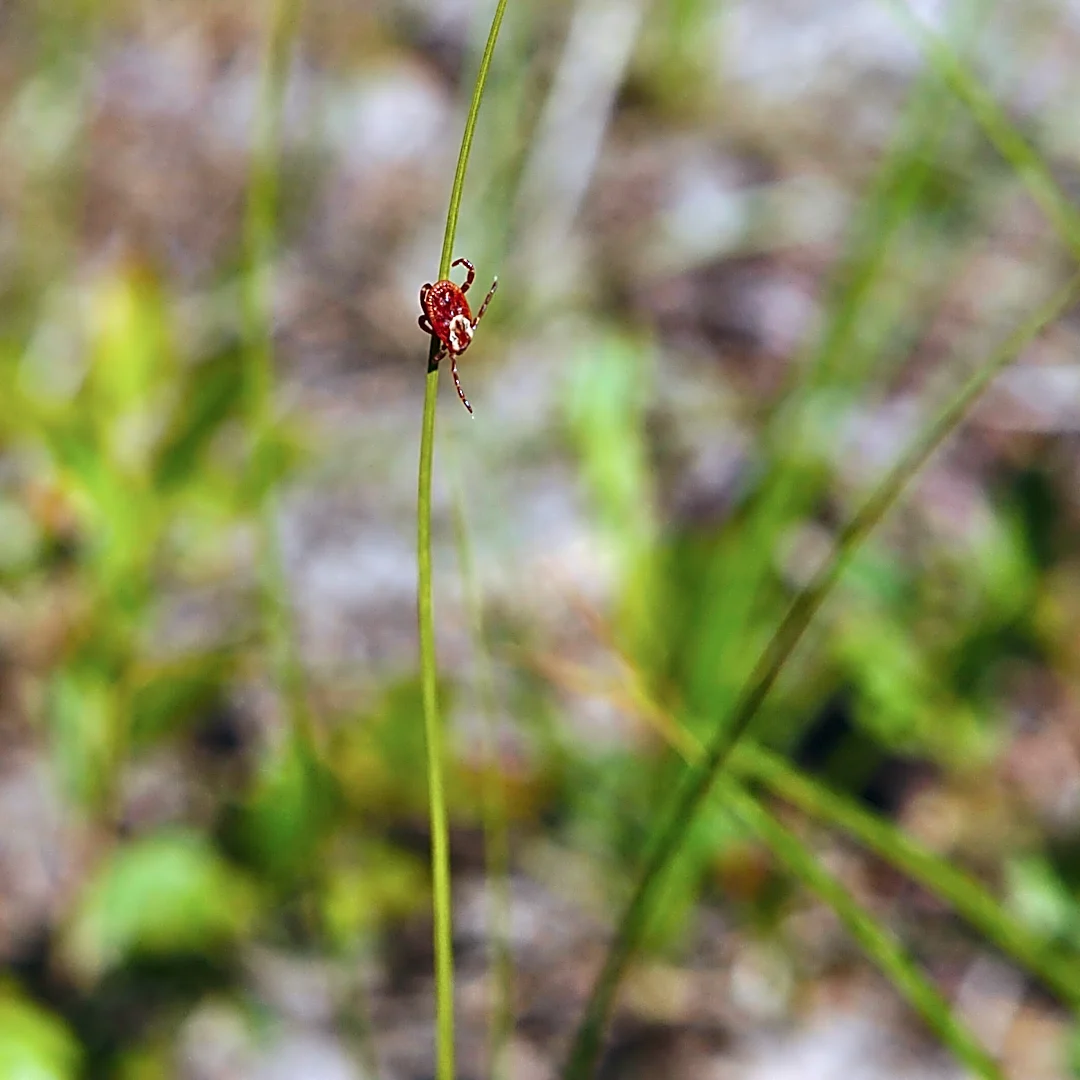








Flea infestations can be a nuisance and a health concern for humans and animals alike. Effective flea treatment requires a comprehensive strategy that addresses not only the fleas on a host but also those in the surrounding environment. This integrated approach aims to eliminate existing fleas, prevent new infestations, and manage the itching and discomfort caused by their bites, ensuring a healthier living space for everyone.
Treating Flea Bites in Humans
When humans are bitten
by fleas, the primary concern is often the intense itching that results. Fortunately, several common treatments can alleviate this discomfort. Anti-itch creams are frequently recommended, with antihistamines or hydrocortisone being typical active ingredients. These creams work to reduce the allergic reaction and inflammation at the bite site.
Another effective option for soothing itchy flea bites is calamine lotion. This topical treatment has been shown to provide relief from the irritation. While these treatments help manage the symptoms, preventing further bites by addressing the source of the infestation is crucial for long-term comfort.
Modern Flea Control for Pets
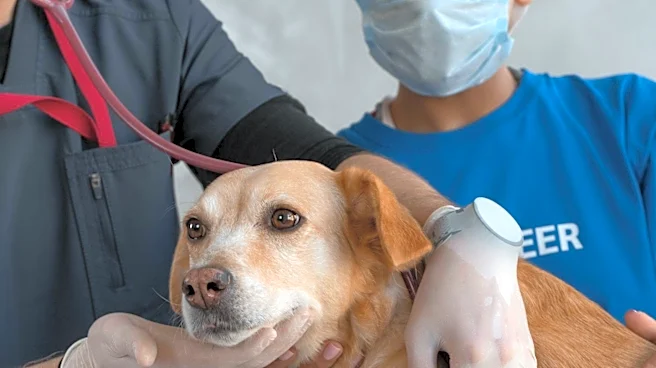
For pets, modern flea control often employs an integrated pest management (IPM) protocol. This strategy targets fleas at multiple life stages using different active molecules. Typically, this involves an adulticide to kill mature fleas and an insect development inhibitor (IDI) or insect growth regulator (IGR) to prevent the development of immature stages like eggs and pupae. Lufenuron, for example, is a veterinary preparation that interferes with a larval flea's ability to produce chitin, which is essential for the adult's hard exoskeleton, though it does not directly kill adult fleas.
Various insecticides are available for pets, including spot-on treatments. Selamectin, fipronil, and imidacloprid are examples of such insecticides. Studies have shown varying effectiveness; for instance, selamectin significantly reduced larval cat fleas, achieving over 93.5% reduction within 24 hours at certain doses, while fipronil and imidacloprid did not reach 90% reduction in the same timeframe, even at higher doses. It's important to note that flea medicines must be used with care, as some can be hazardous to mammals, including humans and other pets. For example, pyrethrin-based treatments for dogs can be dangerous for cats, and contact with human skin requires thorough washing with soap and water. Fluralaner is an FDA-approved option for flea treatment in dogs and cats, and it is also approved for treating mites in chickens.
Eradicating Fleas from the Home Environment
Since a significant portion of a flea's life cycle occurs off the host animal, treating the home environment is just as critical as treating the pet. More than three-quarters of a flea's life is spent in places other than on the host. Thorough vacuuming is a key step, as it can remove an estimated 50% of flea eggs. Special attention should be paid to areas where fleas are likely to be found, such as under drapes, where pets sleep, and under furniture edges. Washing linens in hot water is also essential.
After vacuuming, using specially designed products like carpet powders, sprays, or foggers is recommended to kill remaining fleas and halt the development of eggs and larvae. These products often contain adult insecticides and insect growth regulators. Treating all hosts in the immediate environment, such as all pets in a household, is also crucial for successful eradication. These environmental and host treatments should be performed regularly, as the flea life cycle can last up to a year, making consistent control measures necessary for at least six months.