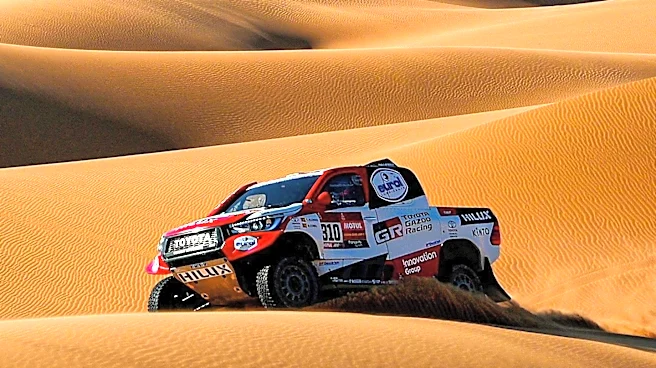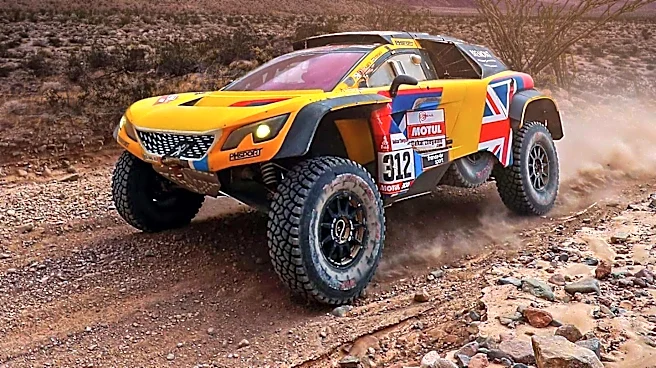





Desert racing, a thrilling motorsport that challenges both man and machine, has a rich history that traces back to the early 20th century. Originating in Southern California, this sport has grown into a global phenomenon, captivating audiences and participants worldwide. This article delves into the historical development of desert racing, highlighting its origins, key milestones, and its expansion beyond North America.
Early Beginnings in Southern California
Desert racing in its most organized
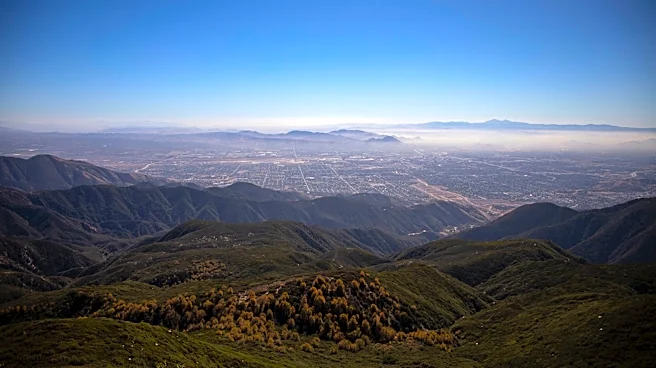
form began in Southern California during the 1920s. This region, with its vast and challenging desert landscapes, provided the perfect backdrop for the sport's inception. Initially, these races were informal gatherings where enthusiasts tested their vehicles and skills against the harsh desert terrain. The sport quickly gained popularity, attracting more participants and spectators eager to witness the thrilling spectacle.
One of the earliest and most notable events in North American desert racing history was the Barstow to Vegas race. Held in the Mojave Desert, this race ran from 1967 to 1975 and then again from 1983 to 1989. It became a well-known example of the sport, drawing attention to the unique challenges and excitement of desert racing. The Barstow to Vegas race helped solidify desert racing's place in the motorsport world, setting the stage for future events.
Expansion and Global Influence
As desert racing gained traction in North America, its influence began to spread internationally. The sport's appeal lies in its ability to test the endurance and capabilities of both racers and their machines. This allure has led to the establishment of desert racing events in various countries, each adapting the sport to their unique landscapes and cultures.
In Pakistan, the Cholistan Desert Rally emerged in 2005, showcasing the sport's growing global reach. By 2018, the event had attracted over 100 drivers, with Mir Nadir Ali Khan Magsi taking the victory. This rally, set in the challenging terrain of the Cholistan Desert, highlights how desert racing has transcended its North American roots to become a worldwide motorsport.
Iconic Races and Modern Developments
Desert racing is now synonymous with iconic events such as the Baja 1000 and the Mint 400. These point-to-point races attract nationally ranked and celebrity drivers, further elevating the sport's profile. The Baja 1000, in particular, is renowned for its grueling course that tests the limits of endurance and skill.
Modern desert racing continues to evolve, with advancements in vehicle technology and race organization. Vehicles used in these races, including motorcycles, trucks, and buggies, are equipped with specialized suspensions and increased wheel travel to navigate the harsh desert terrain. Despite these technological advancements, the core essence of desert racing remains unchanged: a test of endurance, skill, and the unyielding spirit of adventure.
Desert racing's journey from its humble beginnings in Southern California to a global motorsport phenomenon is a testament to its enduring appeal. As the sport continues to grow and evolve, it remains a thrilling spectacle that captivates audiences and challenges racers worldwide.