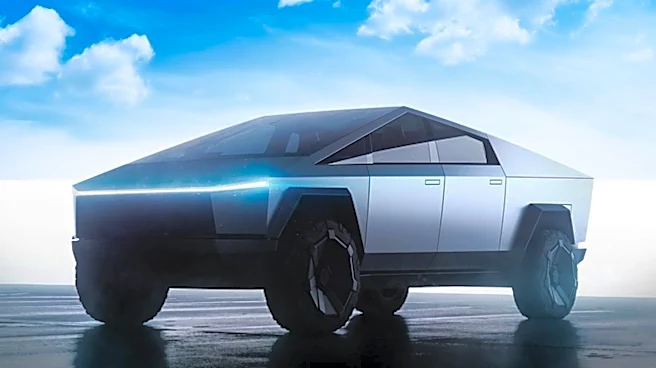





The Tesla Cybertruck stands out in the automotive landscape not just for its electric powertrain, but for its strikingly unconventional design and the ambitious engineering goals that underpin it. Conceived by Elon Musk, the vehicle's aesthetic draws heavily from science fiction, aiming to break away from traditional pickup truck appearances. This design choice, combined with a focus on robust performance and innovative features, reflects Tesla's
broader strategy of pushing boundaries in the automotive industry. The Cybertruck's development was a multi-year process, evolving from initial concepts to a distinctive prototype that challenged conventional notions of what a truck could be.
Cinematic and Futuristic Design Influences
According to Elon Musk, the design of the Cybertruck was directly inspired by iconic science fiction. A primary influence was the dystopian visual style of the film "Blade Runner." This inspiration is evident in the Cybertruck's sharp angles, flat surfaces, and overall brutalist aesthetic, which evoke a sense of a future envisioned in classic sci-fi cinema. Another significant muse was the "Wet Nellie," the Lotus Esprit featured in the James Bond film "The Spy Who Loved Me." This particular vehicle was notable for its ability to transform into a submarine, suggesting an inspiration for versatility and unexpected capabilities within the Cybertruck's design philosophy.
These cinematic references highlight a deliberate choice to create a vehicle that looks unlike any other on the road, aiming for a futuristic and almost otherworldly presence. This approach contrasts sharply with the more evolutionary design changes typically seen in the pickup truck market, signaling Tesla's intent to disrupt not just the powertrain but also the visual identity of the segment. The result is a vehicle that immediately captures attention and sparks conversation, aligning with Tesla's brand image of innovation and forward-thinking design.
Engineering Vision: Torque, Suspension, and Utility
Beyond its unique appearance, the Cybertruck was envisioned with significant engineering ambitions. As early as 2012, Elon Musk spoke of building a "Tesla supertruck with crazy torque, dynamic air suspension, and corners like it's on rails." This statement outlined a vehicle that would combine the raw power and utility expected of a truck with the refined handling and advanced technology of a high-performance electric vehicle. The emphasis on "crazy torque" points to the immediate and powerful acceleration characteristic of electric motors, while "dynamic air suspension" suggests a sophisticated ride system capable of adapting to various driving conditions and loads.
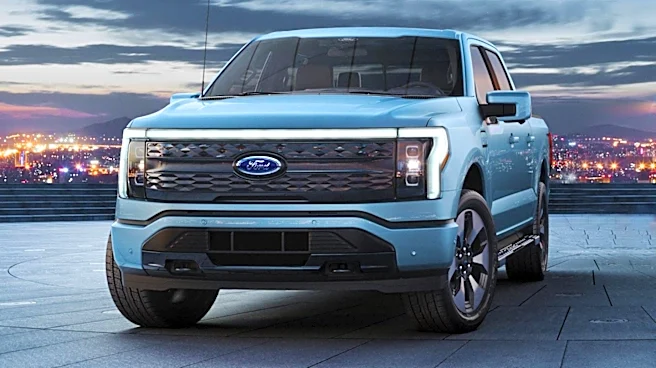
Musk also specified that the Cybertruck would feature load-compensating suspensions, drawing a comparison to the capabilities of a Ford F-250. This detail underscores a commitment to practical utility, ensuring the Cybertruck could handle heavy loads effectively, a critical requirement for any serious pickup truck. Furthermore, in 2015, Musk stated that the Tesla pickup would be the equivalent of a Ford F-150, directly challenging the established leader in the truck market. This comparison was not just about size or capability, but about offering a compelling alternative that leveraged electric vehicle technology to redefine the pickup experience. The vision extended to potentially using the same chassis for both a van and a pickup truck, indicating a modular engineering approach for future vehicle development.