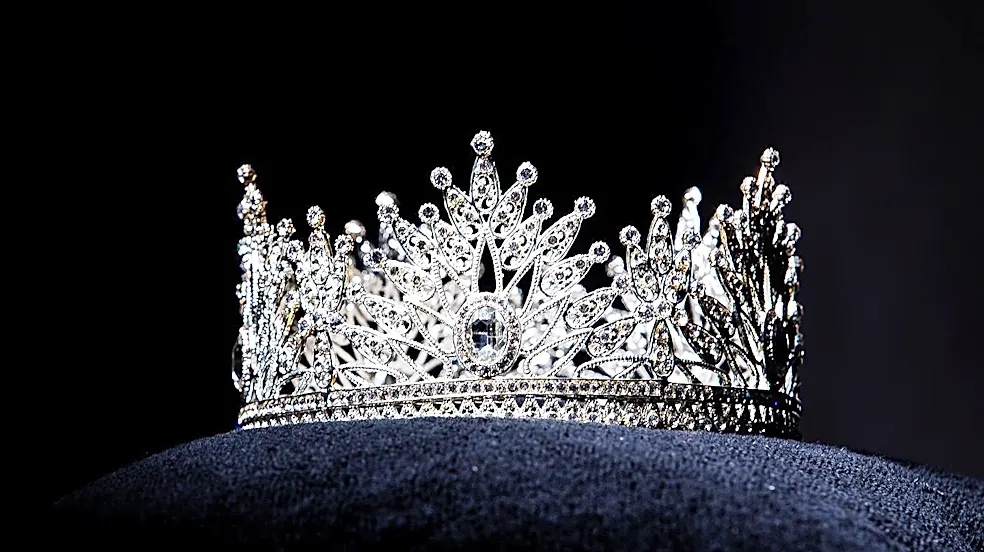










Tiaras, those sparkling head ornaments adorned with jewels, boast a rich history that spans millennia, originating in ancient Persia and later gaining popularity in the Greco-Roman world. By the 18th century, these prestigious pieces of jewelry had become a fashionable accessory for women in Europe, worn during formal occasions. While their use saw a decline after World War I, primarily reserved for royal courts and official events, the early 21st
century has witnessed a resurgence of interest in these magnificent adornments. The term "tiara" is often used interchangeably with "diadem," highlighting their shared heritage as symbols of status and beauty.
Ancient Roots and European Popularity
The journey of the tiara began in ancient Persia, where it served as a significant head ornament. Its appeal soon spread to the Greco-Roman world, laying the groundwork for its eventual prominence in Western culture. Fast forward to the 18th century, and the tiara had firmly established itself in Europe as a symbol of prestige and elegance. These early European tiaras typically featured a semicircular base, crafted from precious metals like gold, silver, or platinum, and were lavishly decorated with gemstones, pearls, or cameos. This period marked a significant chapter in the tiara's history, transforming it into a coveted item for women attending formal events.
The late 19th century represented a golden age for tiaras, with their presence being almost mandatory at events adhering to a white tie dress code. This era showcased the tiara not just as jewelry, but as an integral part of high society fashion. However, the aftermath of World War I brought about a shift in social customs and fashion trends, leading to a decrease in the widespread use of tiaras. Their visibility became largely confined to royal courts and very specific official functions, signaling a more exclusive and ceremonial role for the headpiece.
Craftsmanship and Design Diversity
Tiaras are renowned for their intricate craftsmanship and the sheer volume of precious materials used in their creation. They are typically richly decorated with precious stones, pearls, or cameos, often arranged in symmetrical patterns. Common design elements include arcs, garlands, circles, stars, and stylized flowers or leaves. Some tiaras even depict flowers, ears of corn, dragonflies, or butterflies with remarkable realism, achieved through the careful selection of gemstones in various colors. A single tiara can incorporate hundreds to thousands of gemstones of different sizes and cuts, almost always featuring a large number of diamonds, which solidifies their status among the most expensive and spectacular pieces of jewelry.
The diversity in tiara designs is also notable, with several distinct models catering to different aesthetic preferences and occasions. These include the bandeau, which resembles a ribbon or hairband; the kokoshnik, characterized by a massive wall of gemstones inspired by traditional Russian headdresses; the circlet, a tiara that extends around the entire circumference of the head; and the fringe, a fringed trim of diamonds that offers versatility by often being wearable as a necklace. This variety underscores the tiara's adaptability and its enduring appeal as a versatile and magnificent accessory throughout history.
Modern Resurgence and Enduring Symbolism
Despite the decline in their everyday use after World War I, tiaras have experienced a renewed interest since the early 21st century. This modern resurgence suggests a continued fascination with their historical grandeur and aesthetic beauty. While the strict etiquette surrounding their wear has relaxed, the tiara remains a powerful symbol of elegance, tradition, and sometimes, royalty. The ability of these pieces to transcend centuries, adapting in style while retaining their fundamental allure, speaks to their timeless appeal as a jewel-adorned head ornament with a storied past and a promising future in the world of fashion and ceremonial wear.