









Tempering is a fundamental technique in South Asian cuisine, known for its ability to enhance the flavors of dishes through the use of whole spices and other ingredients. This method involves briefly cooking these components in oil or ghee, allowing their essential oils to be released and their flavors to be intensified. The choice of ingredients used in tempering can vary widely, offering a diverse range of flavors and aromas to South Asian dishes.
Key Spices in Tempering
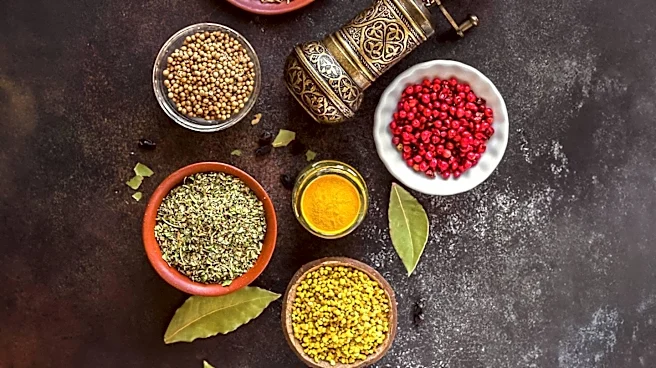
The spices used in tempering are carefully selected to complement the dish being prepared. Cumin seeds are a staple in many tempering recipes, known for their warm, earthy flavor that adds depth to curries and stews. Black mustard seeds are another common choice, providing a sharp, pungent taste that enhances the overall flavor profile of the dish.
Fennel seeds, with their sweet and licorice-like flavor, are often used in tempering to add a subtle sweetness to dishes. Fenugreek seeds, on the other hand, offer a slightly bitter taste that balances the richness of other ingredients. These spices, when combined and tempered, create a complex and harmonious blend of flavors that is characteristic of South Asian cuisine.
Additional Ingredients in Tempering
In addition to spices, other ingredients are frequently used in the tempering process to further enhance the flavor and aroma of dishes. Fresh green chilis and dried red chilis are popular choices, adding heat and a vibrant color to the dish. Asafoetida, a pungent spice, is often used in small quantities to impart a unique aroma and flavor.
Curry leaves are another essential ingredient in tempering, known for their distinct, earthy flavor that complements a wide range of dishes. Chopped onions and garlic are also commonly added, providing a savory base that enhances the overall taste of the dish. The combination of these ingredients, when tempered, creates a rich and aromatic flavor profile that is integral to South Asian cooking.
Regional Variations in Tempering
The ingredients used in tempering can vary based on regional preferences and culinary traditions. In Oriya cuisine, a mixture of whole spices known as pancha phutana is used for tempering, while in Bengali cuisine, a similar blend called panch phoron is popular. These regional variations highlight the diversity of South Asian cuisine and the importance of tempering in creating unique and flavorful dishes.
The art of tempering is a testament to the rich culinary heritage of South Asia, showcasing the region's love for spices and their ability to transform simple ingredients into complex and flavorful dishes. Whether used at the beginning or end of cooking, tempering remains an essential technique in South Asian kitchens, celebrated for its ability to elevate the taste and aroma of traditional dishes.