

Feline osteochondrodysplasia (FOCD) is a significant genetic health condition that profoundly impacts the Scottish Fold cat breed. This autosomal dominant mutation is not merely responsible for the breed's characteristic folded ears but affects cartilage development throughout the entire body. Understanding FOCD is crucial for anyone involved with Scottish Folds, from breeders to owners, as it dictates the health trajectory of these animals, leading
to conditions like progressive arthritis and other skeletal abnormalities. The condition presents a complex challenge, balancing the aesthetic appeal of the breed with the welfare implications of its defining genetic trait.
The Manifestation of FOCD: Beyond the Ears
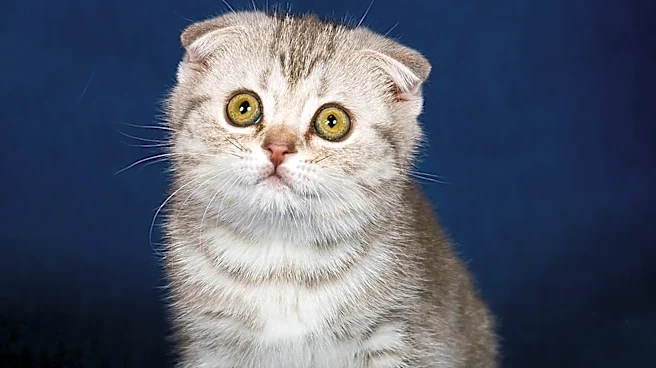
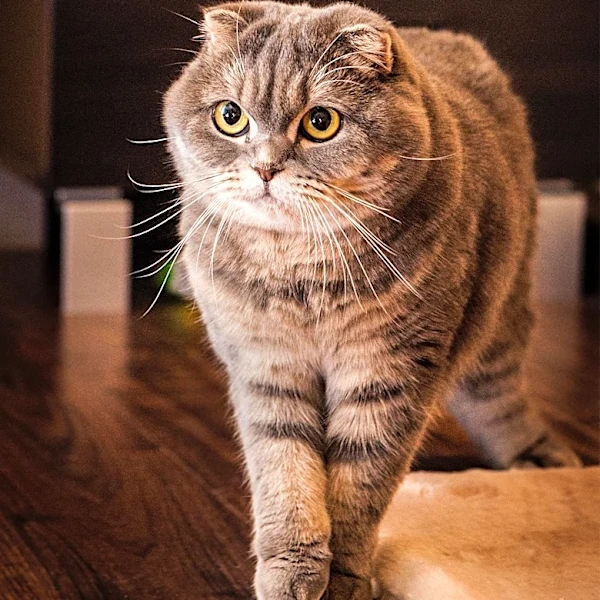
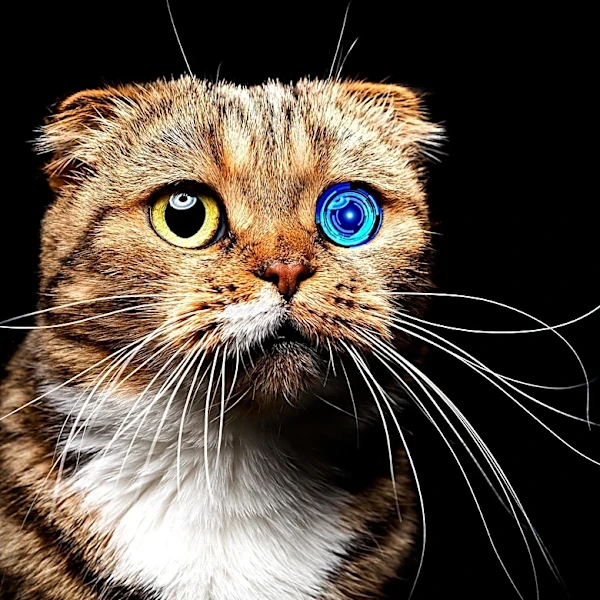
The most recognizable symptom of FOCD is, of course, the folded ears that give the Scottish Fold its name and "owl-like" appearance. This is due to a defect in the aural cartilage. However, the mutation's effects extend far beyond the ears. FOCD causes a skeletal dysplasia, meaning abnormal development of bone and cartilage. This can lead to a shortened and stiff tail that lacks its natural flexibility, a less obvious but equally important indicator of the condition.Crucially, all Scottish Fold cats, regardless of whether they have one or two copies of the mutated gene, will develop arthritis. The severity and progression of this arthritis vary depending on the genetic makeup. Heterozygous cats, possessing one copy of the gene, develop a progressive form of arthritis that worsens over time. In contrast, homozygous cats, with two copies of the gene, experience a much more severe and rapid onset of arthritis. In young kittens, FOCD can manifest as exostoses, which are bony growths, near the tarsal and metatarsal joints. The normal process of endochondral ossification, vital for bone growth, is impaired, leading to metatarsal and metacarpal bones that are abnormally shaped and fail to reach their full length.