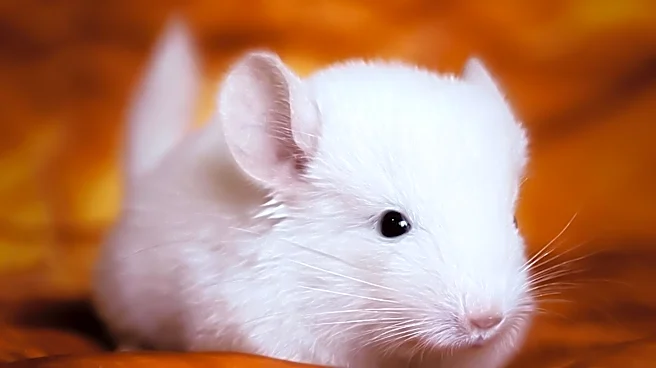







The chinchilla fur trade has a long and impactful history, dating back to the 16th century. Known for its incredibly soft and luxurious feel, chinchilla fur has been highly sought after, leading to extensive hunting and near extinction of these small rodents. This article delves into the history of the chinchilla fur trade and its consequences on chinchilla populations.
Origins of the Fur Trade
The international chinchilla fur trade began in the 16th century, driven by the demand
for its soft and even-colored fur. Chinchilla fur is unique due to the sprouting of multiple hairs from each follicle, making it ideal for small garments or the lining of larger ones. A single full-length coat made from chinchilla fur may require as many as 150 pelts, highlighting the scale of hunting required.
The fur trade led to the near extinction of Chinchilla chinchilla, the short-tailed species, and put significant pressure on Chinchilla lanigera, the long-tailed species. Despite legal protections against hunting, poaching continues to threaten wild chinchilla populations.
Impact on Chinchilla Populations
The extensive hunting for fur has had a devastating impact on chinchilla populations. By 1914, scientists were already warning of the species' potential extinction due to overexploitation. The continuous and intense harvesting rate was unsustainable, leading to a drastic decline in chinchilla numbers.
In 1953, wild populations in Chile were thought to be extinct, but some were rediscovered in the late 1900s and early 2000s. Despite these findings, chinchillas remain endangered, with a 90% global population loss since 2001. Conservation efforts are crucial to prevent further decline and protect the remaining populations.
Modern Fur Trade and Conservation
Today, the fur trade continues to impact chinchillas, although domesticated chinchillas are now bred for fur to reduce pressure on wild populations. These domesticated animals are primarily of the C. lanigera species, which is more common in the wild.
Conservationists are working to protect chinchillas through legal measures and habitat restoration. Education and awareness campaigns aim to reduce demand for chinchilla fur and promote the importance of preserving these unique animals. The survival of chinchillas depends on continued efforts to address the challenges posed by the fur trade and ensure their habitats are preserved.