






Grand Central Terminal is not only a transportation hub but also a catalyst for urban development in New York City. Since its opening in 1913, the terminal has played a significant role in transforming Midtown Manhattan into a bustling commercial and residential area. This article examines how Grand Central Terminal influenced the growth and development of its surrounding neighborhood, known as Terminal City.
The Birth of Terminal City
The construction of Grand Central Terminal
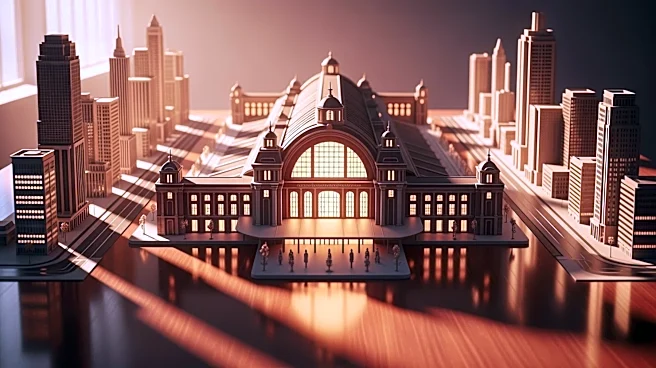
marked the beginning of a new era for Midtown Manhattan. Prior to the terminal's opening, the area was sparsely developed, with few commercial or residential buildings. The terminal's completion spurred a wave of development, leading to the creation of Terminal City, a commercial and office district built above the tracks.
Terminal City quickly became a desirable location for businesses and residents alike. The area saw the construction of luxury apartment buildings, high-end hotels, and office towers, including the iconic Chrysler Building. The development of Terminal City was facilitated by the electrification of the rail lines, which made commuting to and from the suburbs more convenient and attractive.
Economic Impact
The economic impact of Grand Central Terminal on Midtown Manhattan was profound. The terminal's presence attracted businesses and investors, leading to a surge in property values and commercial activity. Land values along Park Avenue and in Terminal City more than tripled from 1904 to 1926, reflecting the area's growing importance as a commercial hub.
The terminal also contributed to the development of affluent suburbs in the lower Hudson Valley and southwestern Connecticut. The electrification of the commuter lines made it easier for residents to travel to and from the city, encouraging the growth of suburban communities. This trend was observed as early as 1907, following the completion of electrification.
Legacy and Continued Influence
Today, Grand Central Terminal continues to influence urban development in New York City. Its strategic location and historical significance make it a focal point for transportation and commerce. The terminal's presence has spurred ongoing development in the surrounding area, including the construction of new office buildings and the renovation of existing structures.
The legacy of Grand Central Terminal as a catalyst for urban development is evident in the vibrant and dynamic neighborhood that surrounds it. As a symbol of New York City's progress and innovation, the terminal remains an integral part of the city's urban landscape, shaping the growth and development of Midtown Manhattan for generations to come.