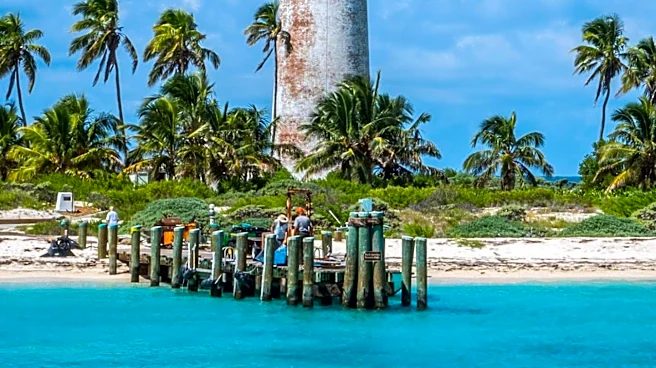








Dry Tortugas National Park, located in the Gulf of Mexico, experiences a distinctive climate that sets it apart from other regions in Florida. The park's tropical savanna climate, characterized by a distinct wet and dry season, plays a crucial role in shaping the environment and visitor experience.
Tropical Savanna Climate
The climate of Dry Tortugas is classified as tropical savanna, with a rainy season that coincides with the Atlantic hurricane season from May to October.
During this period, the park receives the majority of its annual precipitation, which averages about 38 inches. Despite the rainy season, Dry Tortugas is the driest place in Florida, with the sandy soil and intense sun contributing to drought-like conditions.
The dry season extends from November through April, offering more stable weather conditions for visitors. The lack of a large jungle or forest canopy on the islands means that the sun's intensity is felt more acutely, and the quick-draining sandy soil can lead to dry conditions even during the wet season.
Temperature Patterns
Temperature variation in Dry Tortugas is minimal throughout the year. Summer temperatures typically reach around 91°F, while winter temperatures hover around 65°F. The park has never recorded a frost or freeze, reflecting its tropical climate. The hardiness zone is 12a, with an annual mean minimum temperature of 52°F.
These consistent temperatures make Dry Tortugas an attractive destination for visitors seeking warm weather year-round. The mild winter temperatures, in particular, provide a pleasant escape from colder climates.
Impact of Weather on the Park
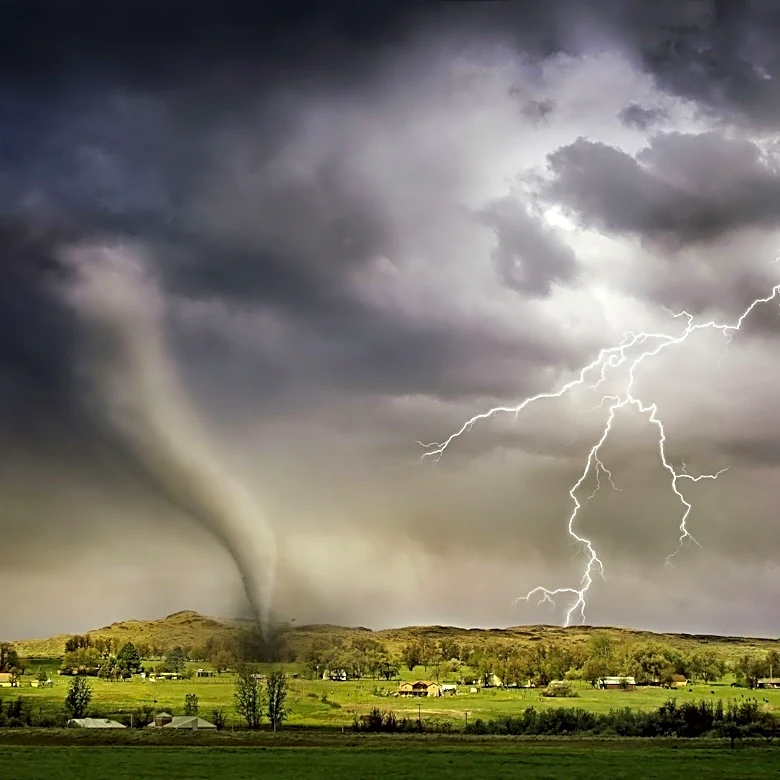
The weather patterns in Dry Tortugas have a significant impact on the park's environment and visitor activities. The rainy season can bring tropical storms and hurricanes, which have historically altered the landscape of the islands. Hurricanes can cause erosion and reshape the islands, leading to changes in their size and shape.
Visitors to the park should be aware of the potential for sudden weather changes, especially during the hurricane season. However, the dry season offers more predictable weather, making it an ideal time for activities such as snorkeling, diving, and exploring the park's historical sites.
Overall, the unique climate of Dry Tortugas National Park contributes to its distinct character and offers visitors a chance to experience a tropical environment with a rich history and diverse natural beauty.