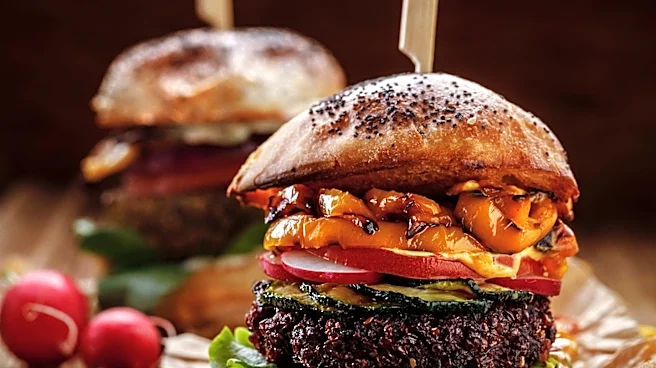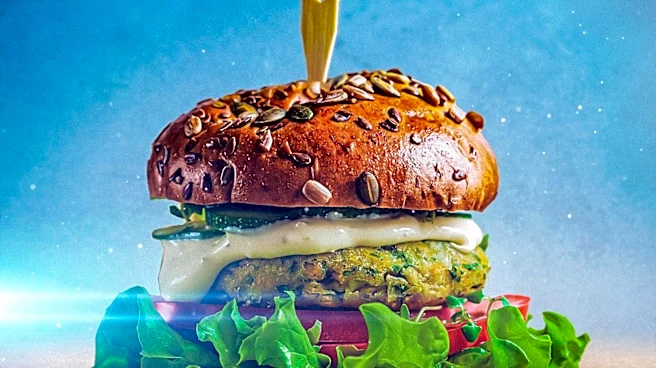



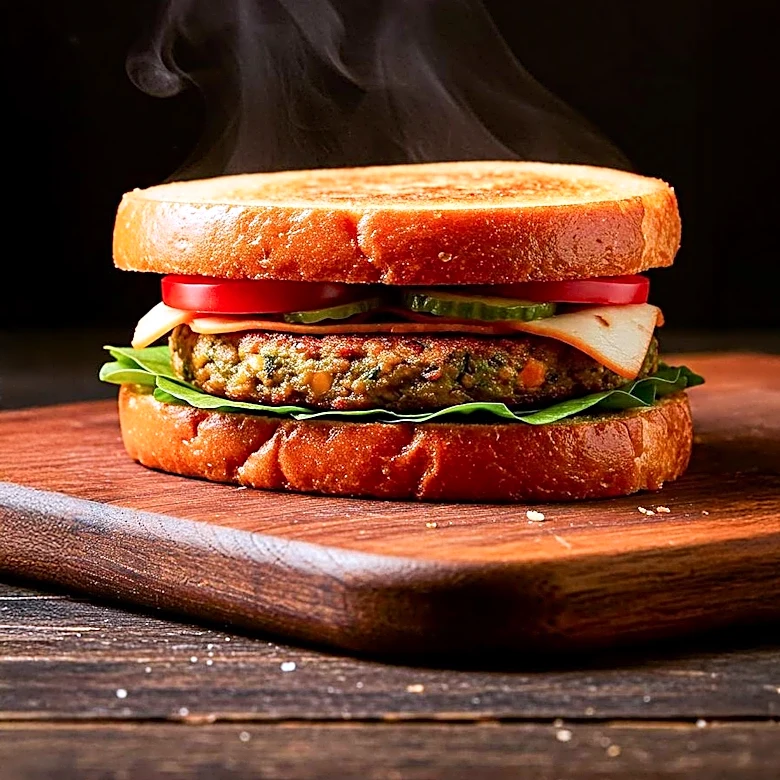




The hamburger, often simply called a burger, is a ubiquitous food item consisting of a pan-fried or grilled ground meat patty, typically beef, served inside a sliced bun or bread roll. While its exact origins are debated, the concept of ground meat served with bread has a long and varied history, eventually leading to the modern hamburger. From its potential roots in Germany to its widespread adoption in the United States and subsequent global expansion,
the hamburger has evolved from a simple meal into a cultural icon, particularly through the rise of fast-food chains.
Tracing the Hamburger's Roots
The term "hamburger" itself is believed to derive from Hamburg, Germany, though the precise connection between the food and the city remains a subject of contention. Early references to similar dishes appear in historical records, such as a recipe for "Hamburgh sausage" on toasted bread found in Hannah Glasse's 1758 book, *The Art of Cookery Made Plain and Easy*. Another precursor, the "Rundstück warm" (warm bread roll), was popular in Hamburg by 1869 and was reportedly eaten by emigrants traveling to America. This dish may have contained roasted beefsteak rather than a Frikadelle-style patty.
Further claims suggest that "Hamburg steak" served between two pieces of bread, consumed by Jewish passengers on Hamburg America Line vessels traveling from Hamburg to New York, contributed to the dish's name. These voyages began in 1847, and the shipping company's name may have become associated with the meal. In the United States, an 1884 reference to "Hamburg steak" appeared in *The Boston Journal*. An 1896 article in the *Chicago Daily Tribune* specifically mentioned a "hamburger sandwich" being sold from a "Sandwich Car," described as a "distinguished favorite" costing five cents, with meat kept in small patties and cooked to order on a gasoline range.
American Claims to Invention and Early Popularity
Numerous individuals and locations in the United States lay claim to inventing the hamburger. Fletcher Davis of Athens, Texas, for instance, is said to have opened a lunch counter in the 1880s, serving fried ground beef patties with mustard and Bermuda onion between two slices of bread, accompanied by a pickle. He and his wife reportedly ran a sandwich stand at the 1904 St. Louis World's Fair, where the *New York Tribune* referred to the hamburger as "the innovation of a food vendor on the pike," suggesting its growing recognition.
Other claimants include Frank and Charles Menches, who allegedly sold a ground beef sandwich at the Erie County Fair in Hamburg, New York, in 1885, after running out of pork sausage. The family of Oscar Weber Bilby claims the first hamburger on a yeast bun was served on their farm on July 4, 1891, a claim supported by a 1995 proclamation from Oklahoma Governor Frank Keating. Louis' Lunch in New Haven, Connecticut, founded in 1895, also asserts itself as the "birthplace of the hamburger sandwich," with owner Louis Lassen supposedly creating a ground beef patty between two slices of toast around 1900. The lack of extensive written history and the spread of the burger through small vendors at events like the World's Fair make it difficult to definitively credit a single inventor.
The Hamburger in the Fast-Food Era
Hamburgers are a defining feature of fast-food restaurants. In the United States, major fast-food chains typically use mass-produced, thin hamburger patties that are frozen and delivered to locations. This contrasts with traditional American hamburgers prepared in homes and conventional restaurants, which are often thicker and made by hand from ground beef. While most American hamburgers are round, some chains like Wendy's, Krystal, and White Castle offer square-cut versions. Fast-food burgers are usually grilled on a flat top, though some establishments, such as Burger King, utilize a gas flame grilling process.
The global reach of the hamburger is evident in the success of multinational fast-food chains like McDonald's and Burger King, whose signature items, the Big Mac and Whopper, have become global symbols of American culture. These chains often serve hamburgers with a side of french fries. The term "burger" has also evolved to become a standalone word, referring to various sandwiches similar to a hamburger but containing different meats like buffalo, venison, chicken, or even meatless options like veggie burgers. This linguistic rebracketing highlights the hamburger's profound influence on culinary vocabulary and its status as a versatile and universally recognized dish.