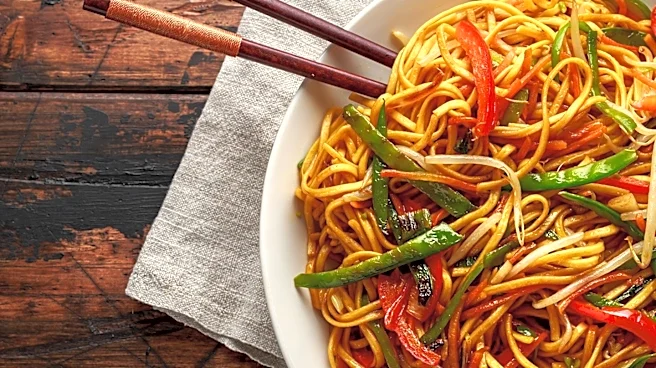



Chow mein, a beloved dish of stir-fried noodles, has traveled far from its origins in China to become a staple in many countries around the world. This dish, which typically includes noodles, vegetables, and sometimes meat or tofu, has been adapted in various ways to suit local tastes. From its beginnings in the Guangdong region of China, chow mein has found a place on menus in the United States, the United Kingdom, India, and beyond. This article
explores the journey of chow mein and how it has been embraced and transformed by different cultures.
Origins in China
Chow mein, which means "stir-fried noodles" in Chinese, originated in the Guangdong province of China. The dish is a classic example of Chinese cuisine, which often features a balance of flavors and textures. In its traditional form, chow mein is made by stir-frying noodles with a variety of vegetables and sometimes meat or tofu. The dish is seasoned with soy sauce and other flavorings, creating a savory and satisfying meal.
Over the centuries, chow mein has evolved within China, with different regions developing their own versions of the dish. The basic concept of stir-fried noodles remains the same, but the ingredients and cooking methods can vary. This adaptability has helped chow mein maintain its popularity both in China and abroad.
Chow Mein in the United States
Chow mein was introduced to the United States by Chinese immigrants, particularly those from the Guangdong region, during the California Gold Rush era. As these immigrants settled in America, they brought their culinary traditions with them, including chow mein. The dish quickly became popular in Chinese restaurants across the country.
In the U.S., chow mein has been adapted to suit American tastes. There are two main types of chow mein in American Chinese cuisine: crispy and steamed. Crispy chow mein features fried, flat noodles, while steamed chow mein uses softer, rounded noodles. The crispy version is often topped with a thick brown sauce, while the steamed version is mixed with soy sauce. These variations reflect the diverse preferences of American diners and demonstrate the dish's versatility.
Global Variations
Beyond the United States, chow mein has been embraced by many other countries, each adding its own twist to the dish. In India, for example, chow mein is often spiced with local seasonings, creating a unique fusion of Chinese and Indian flavors. In the United Kingdom, chow mein is a popular takeaway option, often served with a variety of meats and vegetables.
Even within the U.S., regional variations of chow mein have emerged. In Minnesota, a version of chow mein includes ground beef and cream of mushroom soup, while in Louisiana, a noodle-less version known as "Cajun chow mein" is made with rice and resembles jambalaya. These adaptations highlight the dish's ability to evolve and remain relevant in different culinary contexts.
Chow mein's journey from China to the world is a testament to its enduring appeal and adaptability. As it continues to be enjoyed by people of all backgrounds, chow mein remains a delicious example of how food can transcend cultural boundaries and bring people together.