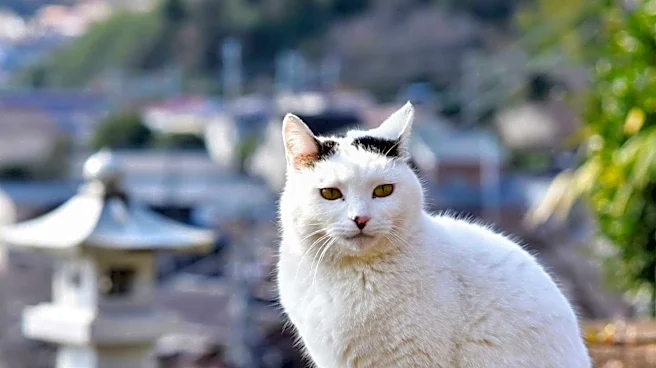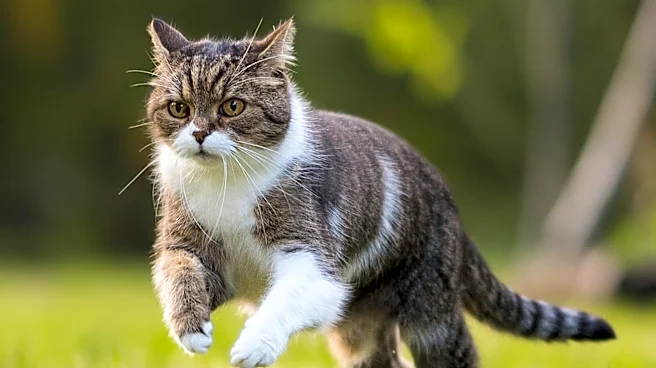



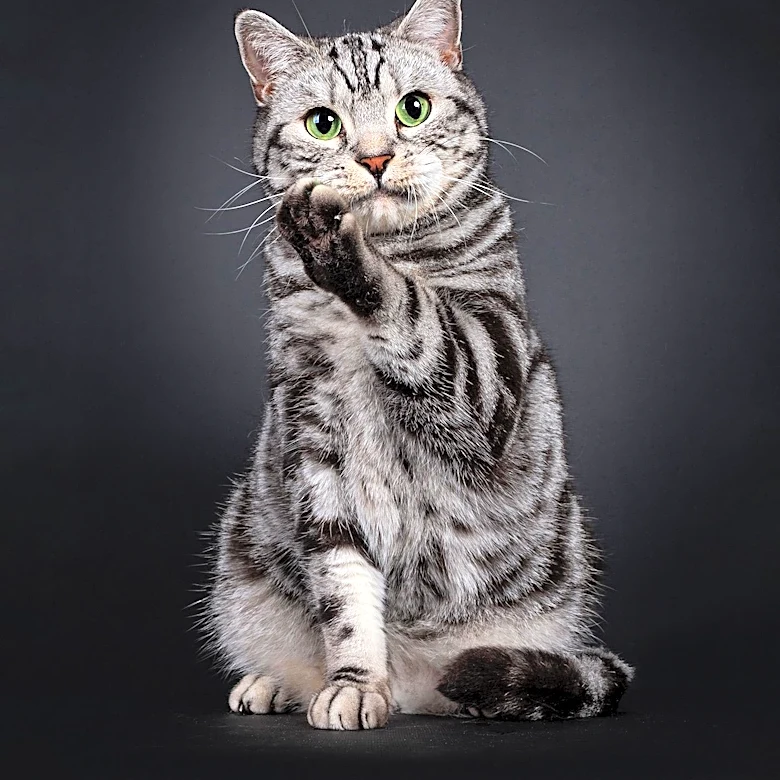

The American Bobtail is a distinctive domestic cat breed that first emerged in the late 1960s. This breed is particularly noted for its short, "bobbed" tail, which typically measures about one-third to one-half the length of a normal cat's tail. This unique feature is the result of a dominant genetic mutation affecting tail development, a characteristic it shares with the Manx cat. Despite its similar appearance to other short-tailed breeds like the Japanese
Bobtail or Kurilian Bobtail, the American Bobtail's breeding programs are entirely independent, and the genetic mutations responsible for their short tails are distinct.
Genetic Origins and Distinctive Tail
The unusual short tail of the American Bobtail is not a result of cross-breeding with wild bobcats, as an urban legend once suggested. Instead, it stems from a spontaneous genetic mutation within the domestic cat population. This mutation is dominant, meaning only one copy of the gene is needed for the trait to appear. This contrasts with the Japanese Bobtail, where the short tail is caused by a recessive mutation. The original breeding line for the American Bobtail began with a short-tailed brown tabby male named Yodie, who was bred with a seal-point Siamese female. While many of the early breeding lines have since disappeared, the genetic foundation for this unique breed was established.
Physical Attributes and Maturation
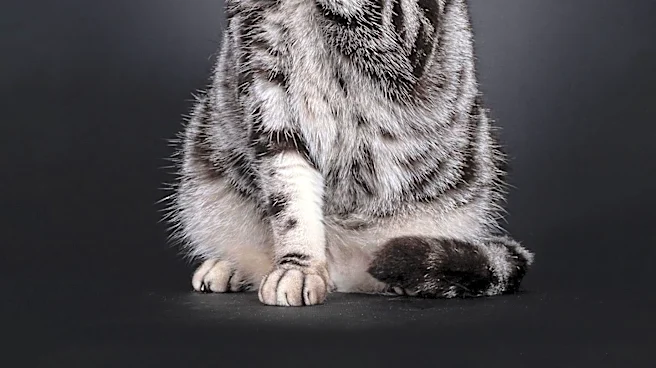
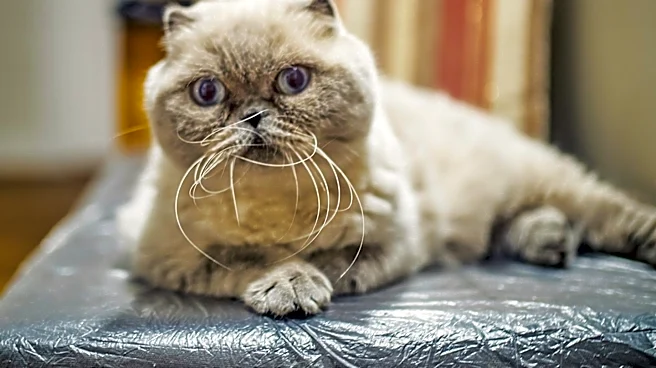
The American Bobtail is a robust and sturdy cat. It possesses a moderately long body with substantial bone structure, giving it a stocky appearance. Its posture is notably rectangular, with a full and broad chest. The hips are strong and nearly as wide as the chest, and the hind legs are longer than the front legs. The paws are large and round, often featuring tufts of hair between the toes. The head is a broad wedge shape, proportional to the body, without flat planes. It exhibits a concave curve from the nose to the forehead or a rise to prominent brow ridges, a broad muzzle, well-defined whisker pads, a slightly upturned broad nose, and full, strong jaws. The ears are medium-sized, broad at the base, and set equally on both the top and sides of the head, with rounded tips. The eyes are almost almond-shaped, proportional to the head, set deep in their sockets, and moderately spaced. Eye color varies depending on the coat color.
Coat and Color Variations
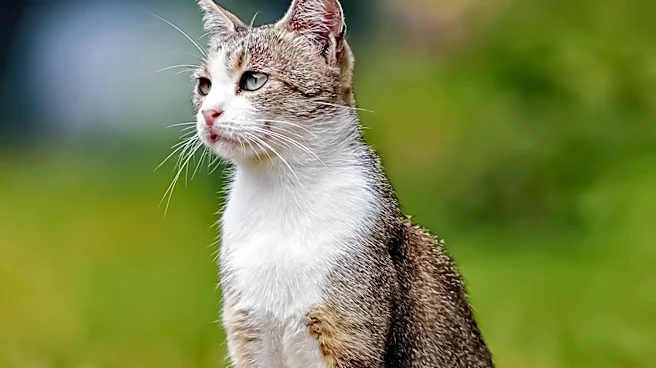
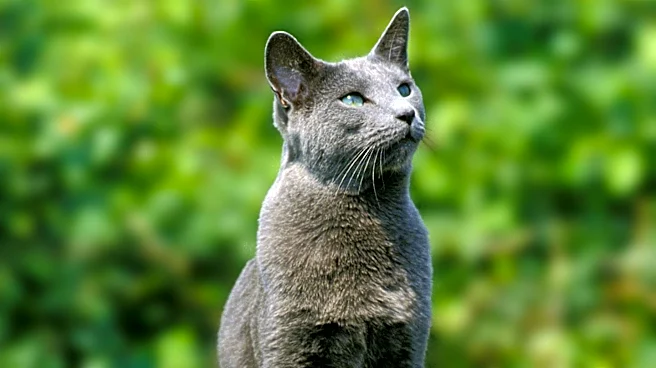
The American Bobtail comes in both short-haired and long-haired varieties. Their coat is described as rather shaggy or silky, rather than dense or fluffy. While a spotted, bobcat-like or ocelot-like tabby pattern is frequently seen, the breed can display a wide array of colors and patterns. These include black, blue, brindled/striped, brown, calico, chocolate, cinnamon, fawn, lilac, mottled, cream-red, peach, or orange (tabby or tortoiseshell). These colors and patterns may or may not include white spots on the chest, neck, legs, or belly. The breed takes two to three years to reach full maturity, a slower developmental pace compared to many other domestic cat breeds. This extended maturation period allows for the development of their substantial build and distinctive features.