







Dry cleaning is a sophisticated process that relies on specific chemical principles to clean garments without the use of water. Unlike traditional laundering, which uses water as a polar solvent, dry cleaning employs non-polar organic solvents. This fundamental difference is key to understanding why dry cleaning is often the preferred method for delicate fabrics and certain synthetic materials. The interaction between these specialized solvents and fabric fibers
is central to preventing damage, maintaining garment integrity, and effectively removing stains.
The Role of Non-Polar Solvents
The core of dry cleaning lies in the use of non-polar organic solvents. Water, being a polar solvent, interacts strongly with polar groups present in many natural fibers, such as the hydroxyl (-OH) groups in cellulose, the main component of cotton. This interaction causes the fibers to swell and stretch, leading to changes in texture, color, strength, and shape, and often results in wrinkling and shrinkage after drying. The binding of water molecules interferes with the weak attractions within the fiber structure, distorting its original shape.Non-polar solvents, on the other hand, do not interact with these polar groups within the fabric. This lack of interaction is crucial for protecting delicate materials. By avoiding the swelling and stretching caused by water, non-polar solvents help preserve the original shape and integrity of fibers. This makes dry cleaning particularly beneficial for natural fibers and certain synthetics like viscose, which react poorly with water, as well as specialty fabrics such as silk and acetate that are prone to damage from aqueous cleaning.
Mechanism of Stain Removal
Dry cleaning solvents are highly effective because they selectively dissolve stains. Many compounds that cause stains are non-polar themselves, making them readily soluble in the non-polar dry cleaning solvents. Some of these stains would otherwise only dissolve in aqueous detergent mixtures at high temperatures, which could potentially damage delicate fabrics. The selective extraction of these compounds by the solvent, combined with mechanical friction from the tumbling action inside the dry cleaning machine, efficiently removes dirt and grime.During a typical wash cycle, which can last from 3 to 15 minutes, solvent-soluble soils dissolve into the perchloroethylene (PCE) or other chosen solvent. Loose, insoluble soil is also dislodged. To enhance the cleaning power, small amounts of special dry-cleaning detergents, typically 0.5–1.25%, may be added to the working solvent. These detergents play a vital role by emulsifying hydrophobic soils and preventing soil particles from redepositing onto the garments, ensuring a thorough clean.
The Dry Cleaning Process: A Detailed Look
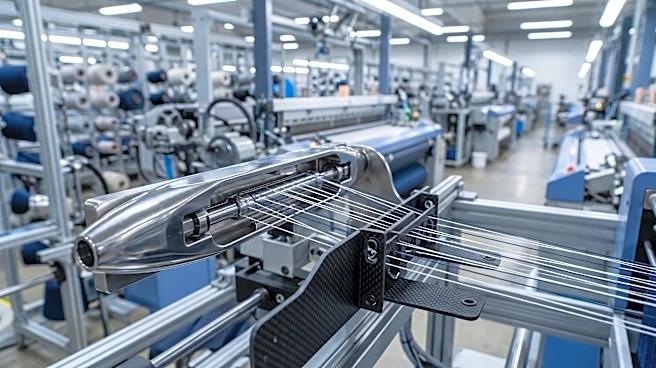
The dry cleaning machine itself functions much like a combination of an industrial washing machine and a clothes dryer. Garments are placed in a perforated drum that rotates within an outer shell. During the wash cycle, the chamber is filled with solvent, and the drum agitates the clothing. The solvent is continuously filtered and then fed back into the chamber. After the wash, the solvent is removed and sent to a distillation unit, where it is purified by boiling and condensation, separating it from water and impurities. The refined solvent is then stored in a clean solvent tank for reuse.A rinse cycle follows, where garments are rinsed with freshly distilled solvent to prevent discoloration from residual soil particles. The extraction process then recovers the solvent for reuse, with modern machines recovering over 90% of the solvent. This involves draining the solvent and spinning the drum at high speeds (350–450 rpm) to remove much of the solvent from the fabric. Finally, a drying cycle uses warm air to evaporate any remaining solvent traces, followed by a deodorizing (aeration) cycle that circulates cool outside air to remove further solvent traces, often using activated carbon and polymer resin filters. This meticulous process ensures garments are clean, dry, and free of solvent residues, all while protecting their delicate structure.