
Oil tankers have played a crucial role in the global oil industry, evolving significantly since their inception in the late 19th century. The journey from early designs to the modern giants of today reflects
advancements in technology and the growing demands of the oil trade. This article explores the historical development of oil tankers, highlighting key milestones and innovations that have shaped their evolution.
Early Designs and the Birth of Modern Oil Tankers
The development of the modern oil tanker began between 1877 and 1885, a period marked by significant innovation in the transportation of oil. Ludvig and Robert Nobel, brothers of the famous Alfred Nobel, were instrumental in this evolution. They founded Branobel in Baku, Azerbaijan, which became one of the largest oil companies of the late 19th century. Their efforts laid the groundwork for the modern oil tanker, which was designed to efficiently transport large quantities of oil across the globe.
During this time, the need for specialized vessels became apparent as the oil industry expanded. The early designs were primarily focused on improving the safety and efficiency of oil transportation. These innovations set the stage for the development of more advanced tankers in the 20th century.
The Rise of Steam-Powered Tankers
In the early 20th century, steam-powered oil tankers emerged as a significant advancement in the industry. The Arrow-class oil tankers, constructed for the Standard Oil Company of New York between 1916 and 1921, exemplified this era. These steam-powered vessels were designed to replace older ships and were primarily used for the foreign petroleum trade between California and East Asia.
The Arrow-class tankers were notable for their design, which included features such as tween decks for carrying general cargo and multiple lifeboats for safety. Despite their initial success, many of these tankers were lost during World War II, highlighting the risks associated with maritime oil transportation during wartime.
The Supertanker Era and Modern Innovations
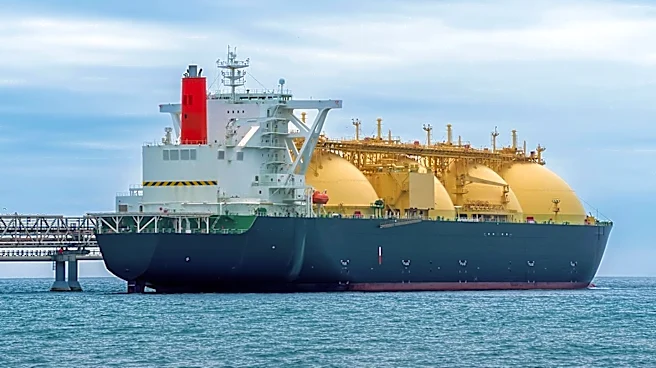
The early 2000s marked the beginning of the supertanker era, with the construction of the TI-class supertankers for the Hellespont Group. These massive vessels, built by Daewoo Shipbuilding & Marine Engineering in South Korea, represented a new level of capacity and efficiency in oil transportation. The TI-class supertankers were later acquired by Belgian shipowner Euronav NV and renamed, continuing their service under new management.
These supertankers were designed to meet the growing demands of the global oil market, featuring advanced technologies such as high-speed engines and enhanced safety systems. The evolution of oil tankers from early designs to modern giants reflects the industry's ongoing efforts to improve efficiency, safety, and environmental impact.
In conclusion, the history of oil tankers is a testament to the ingenuity and adaptability of the maritime industry. From the pioneering efforts of the Nobel brothers to the construction of modern supertankers, each phase of development has contributed to the efficient and safe transportation of oil worldwide.