



Game 1 of the 1929 World Series featured an unexpected and memorable pitching performance by Howard Ehmke of the Philadelphia Athletics. Despite a career that began in 1915 and a recent struggle with a sore arm, Ehmke was chosen by Athletics manager Connie Mack to start the crucial opening game. This decision came as a surprise to many, including players on both teams, given Ehmke's limited appearances during the regular season and the availability
of other strong pitchers for the Athletics. His remarkable outing would not only break a long-standing World Series record but also become one of baseball's most famous games.
A Veteran's Waning Career and a Manager's Bold Move
By 1929, Howard Ehmke was a veteran pitcher whose career was winding down, largely due to a persistent sore arm. He had pitched only occasionally during the regular season, finishing with a modest 7–2 record, a 3.29 earned run average, and 20 strikeouts over 54.2 innings. The Athletics, meanwhile, were comfortably leading the American League standings. In August, manager Connie Mack informed Ehmke that he would be released after the season concluded. Ehmke accepted this decision but expressed a desire to pitch in a World Series game, an experience he had never had before in his long career.
Mack, known for his strategic acumen, saw an opportunity. In mid-September, with both league pennant races already decided, he instructed Ehmke to leave the team. Instead of pitching, Ehmke was sent on the road to scout the National League champion Chicago Cubs for the final weeks of the season. This assignment was not merely for scouting; Mack secretly told Ehmke to prepare himself to start Game 1 of the World Series, a decision he kept under wraps until the very day of the game.
The Secret Weapon Unleashed
Connie Mack's decision to start Ehmke was a closely guarded secret, catching both the Cubs and his own team off guard. The Athletics had a deep roster of talented pitchers, making Ehmke's selection even more astonishing. However, Mack's strategy was rooted in Ehmke's intimate knowledge of the Cubs' batters, gained from his recent scouting mission, combined with the benefit of a well-rested arm.
Ehmke delivered an extraordinary performance, pitching a complete game victory. He allowed only one run, which was unearned, and recorded an impressive 13 strikeouts. This strikeout total shattered the existing World Series record, which had been set by Ed Walsh in 1906. Ehmke's new record would stand for many years, eventually being broken by Carl Erskine in 1953. This pivotal game marked the last win of Ehmke's major league career, solidifying its place in baseball history.
A Young Fan's Tragic Introduction to Baseball
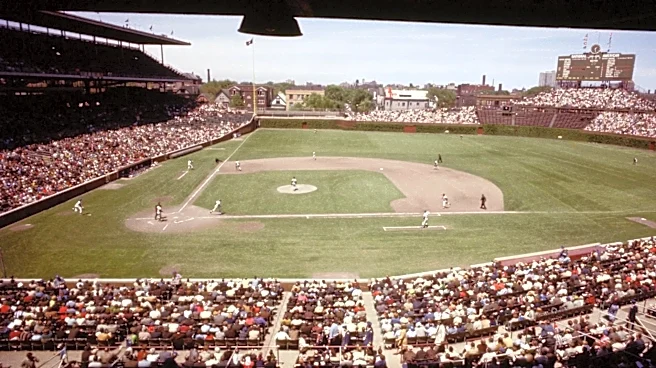
The significance of this game extended beyond the field for at least one notable attendee. Nine-year-old John Paul Stevens was present at Wrigley Field for Game 1. Stevens would later go on to become a Supreme Court Justice, and he remained a lifelong fan of the Chicago Cubs. Reflecting on that day, he famously remarked, "And that was my first game, a tragic game for a young boy to go and see in person!" His words capture the disappointment felt by Cubs fans, contrasting sharply with the triumph experienced by Ehmke and the Athletics in what became a legendary World Series opener.