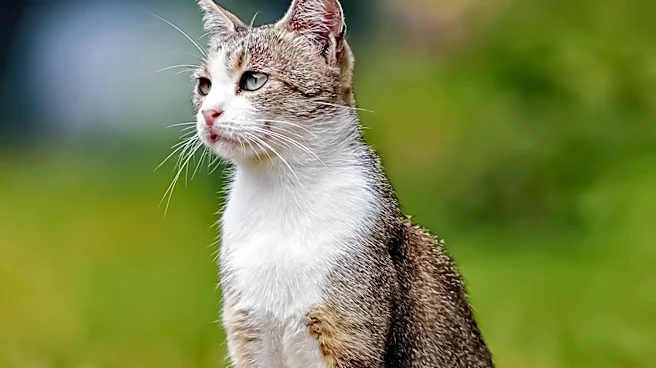



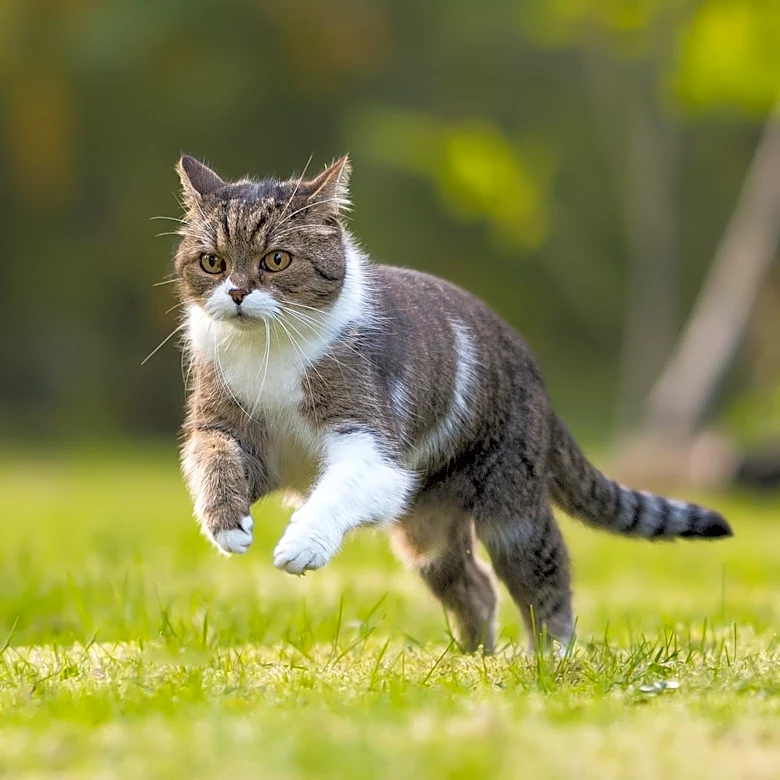
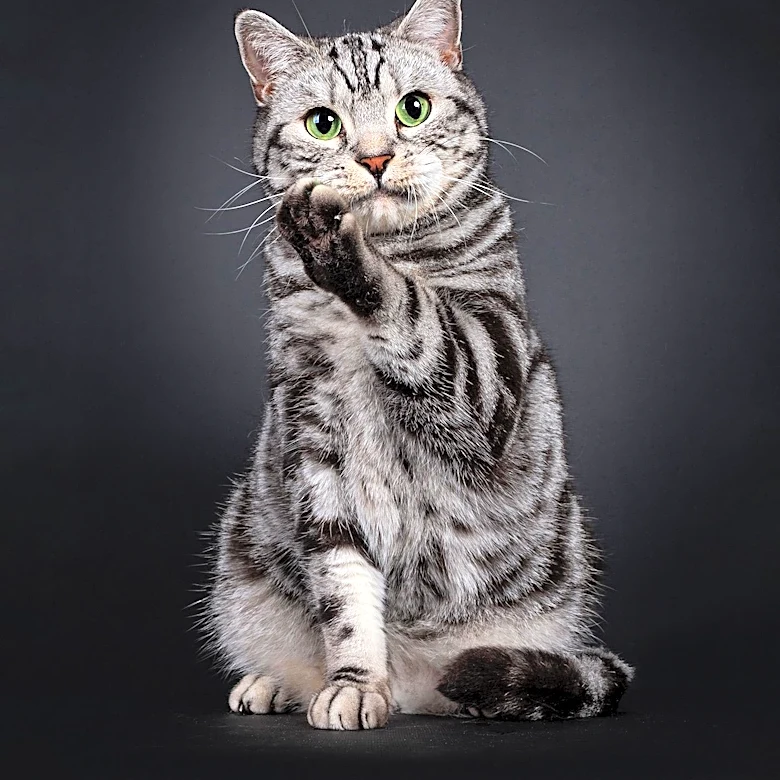



The European Shorthair, also known by names such as European or Celtic Shorthair, represents a pedigreed breed of domestic cat that originated in Europe. Specifically, its origins are traced to Sweden. This breed is unique in that it is intended to be an "ennobled representative" of the common domestic cats found across Europe. Its journey to formal recognition by the Fédération internationale féline (FIFe) in 1949 was a significant milestone, establishing
it as a distinct entity within the feline world, yet its very nature as a "natural breed" has presented ongoing challenges in its identity and acceptance.
The Challenge of Resemblance
One of the primary challenges for the European Shorthair has been its close resemblance to the non-pedigreed landrace domestic cats of Europe. This similarity has often led to confusion, as the breed's name has been erroneously used to describe these common cats. The breed standard for the European Shorthair explicitly states that it should not resemble any other specific breed, but rather embody the robust and agile characteristics of typical European household cats. This emphasis on a balanced, medium-sized morphology and traditional coat colors further reinforces its connection to its common ancestors, while simultaneously requiring careful distinction for breeders and enthusiasts.
Historically, the role of the cat breed that most closely resembled the original domestic cats of Europe was held by the British Shorthair. This continued until the early 20th century. However, the British Shorthair, despite its name, had undergone selective breeding, including crosses with Persian cats, to develop a stockier build, a slightly shortened muzzle, and a thicker coat. These physical differences made it distinct from the majority of common European cats, setting the stage for the eventual need for a separate breed standard for the truly European type.
The Scandinavian Distinction
The situation became particularly complex for Scandinavian breeders. They found it confusing that the British Shorthair was also referred to as the European Shorthair at the time, despite their differing appearances. For a period, felinological associations recognized both types of cats as a single breed, meaning they were judged against the same standards at cat shows. This lack of differentiation created difficulties in promoting and preserving the unique traits of the Scandinavian type.
The turning point arrived in 1982 when FIFe officially registered the Scandinavian type of European Shorthair as a separate breed, complete with its own distinct standard. This recognition was crucial for allowing the breed to be judged on its own merits and to highlight its natural characteristics. The oldest known European Shorthair registered in FIFe was born in 1940, indicating a long history of the type before its formal separation.
Global Recognition and Regional Popularity
Today, the European Shorthair is particularly popular in Scandinavian countries, where its character as a natural breed, untouched by crossbreeding with other breeds, is highly appreciated. However, its recognition and popularity vary significantly across the globe. In the rest of Europe, it remains a relatively rare breed and is often confused with common domestic cats. Furthermore, in the United States and the United Kingdom, the European Shorthair faces stiff competition from the British Shorthair and the American Shorthair, and it has not yet achieved recognition from any federations in these countries. This regional disparity in recognition underscores the ongoing journey of this natural breed to establish its distinct identity worldwide.