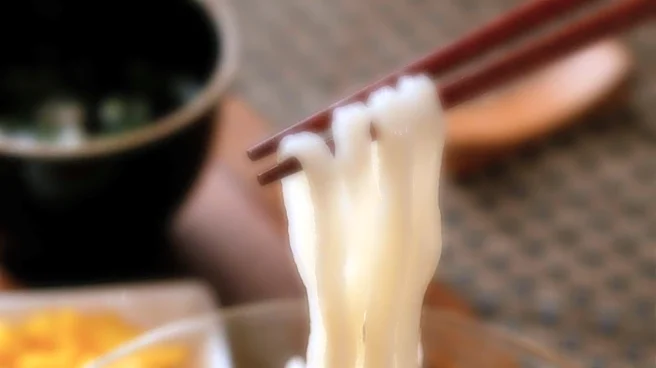








Udon noodles are a quintessential part of Japanese cuisine, celebrated for their simplicity and versatility. Beyond their culinary appeal, udon noodles hold a special place in Japanese culture, reflecting regional identities and social customs. This article explores the cultural significance of udon noodles, highlighting their role in Japanese society and the traditions they embody.
A Symbol of Regional Identity
Udon noodles are deeply intertwined with regional identities in Japan.
Each region boasts its own unique style of udon, showcasing local ingredients and culinary traditions. For example, Sanuki udon from Kagawa Prefecture is renowned for its firm texture and is often considered the gold standard of udon noodles. This regional pride is so strong that Kagawa is often referred to as the "kingdom of Sanuki udon."
Similarly, the Kansai region's preference for a softer, medium-thickness udon reflects the area's culinary emphasis on subtle flavors and textures. These regional variations not only highlight the diversity of Japanese cuisine but also serve as a source of local pride and cultural identity.
Udon in Social and Culinary Traditions
Udon noodles play a significant role in Japanese social and culinary traditions. They are often enjoyed during special occasions and gatherings, symbolizing warmth and togetherness. The act of sharing a bowl of udon with family or friends is a cherished tradition, fostering a sense of community and connection.
In addition to their social significance, udon noodles are a staple in Japanese home cooking. Their versatility allows them to be prepared in various ways, from simple kake udon in a mild broth to more elaborate dishes like yaki udon and curry udon. This adaptability makes udon a beloved comfort food, enjoyed by people of all ages.
Udon's Role in Modern Japanese Cuisine
In modern Japanese cuisine, udon noodles continue to evolve, reflecting contemporary tastes and culinary innovations. While traditional preparations remain popular, new variations like stir-fried yaki udon and curry udon have gained popularity, showcasing the noodle's adaptability to different flavors and cooking styles.
Udon noodles also play a role in Japan's global culinary influence. As Japanese cuisine gains international recognition, udon has become a symbol of Japan's rich culinary heritage, enjoyed by food enthusiasts around the world. This global appreciation further underscores the cultural significance of udon, highlighting its enduring appeal and versatility.
In conclusion, udon noodles are more than just a culinary delight; they are a cultural icon in Japan, embodying regional pride, social traditions, and culinary innovation.