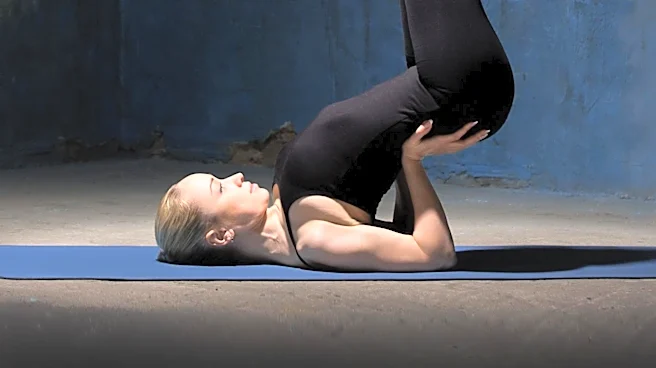

Viparita Karani, commonly known as the Legs Up the Wall Pose, is a distinctive yoga posture that stands out due to its inverted nature. This pose, which involves lying on the back with legs extended vertically
against a wall, is a staple in hatha yoga for its unique ability to reverse the body's usual orientation. In this article, we delve into the inverted characteristics of Viparita Karani and what makes it a unique addition to any yoga practice.
Understanding the Inversion
The term "Viparita" translates to "inverted" or "opposite," which perfectly encapsulates the essence of this pose. Unlike many other yoga postures, Viparita Karani positions the body in a way that defies gravity's usual pull. By elevating the legs above the heart, the pose encourages a reversal of the body's typical flow of energy and fluids.
This inversion is not just a physical shift but also a metaphorical one. Practitioners often find that the pose offers a new perspective, both physically and mentally. The act of turning the body upside down can symbolize a fresh outlook, encouraging individuals to see things from a different angle. This can be particularly beneficial for those seeking mental clarity or a break from routine thought patterns.
The Physical Benefits of Inversion
The inverted nature of Viparita Karani offers several physical benefits. By allowing gravity to assist in the flow of blood and lymphatic fluids, the pose can help reduce swelling in the legs and feet. This makes it an excellent choice for individuals who experience edema or spend long periods standing.
Additionally, the pose can aid in relieving tension in the lower back and hips. The gentle stretch provided by the inversion helps to release tightness in these areas, promoting overall flexibility and comfort. The pose's ability to enhance circulation also contributes to a sense of rejuvenation and vitality.
Incorporating Viparita Karani into Your Practice
Incorporating Viparita Karani into a regular yoga practice can provide a refreshing change from more traditional poses. Its simplicity and accessibility make it suitable for practitioners of all levels, from beginners to advanced yogis. The pose can be practiced on its own or as part of a restorative yoga sequence.
To maximize the benefits of Viparita Karani, consider practicing it in a quiet, comfortable space. Using props such as a bolster or blanket can enhance the experience by providing additional support and comfort. Whether used as a standalone practice or integrated into a larger routine, Viparita Karani offers a unique opportunity to explore the world from an inverted perspective.