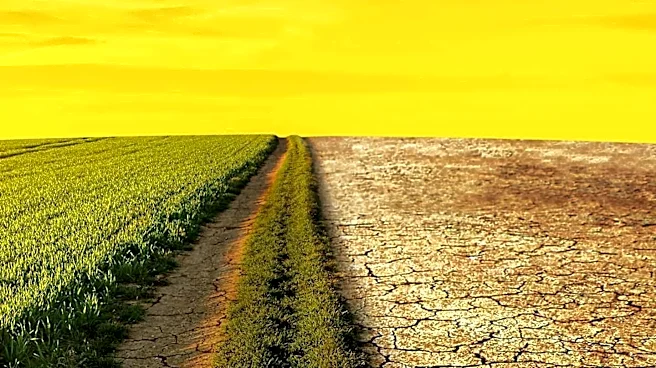







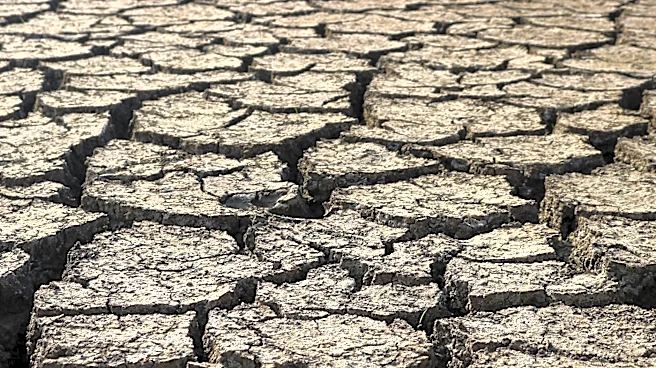


Climate fiction, or cli-fi, is a genre that delves into the complex and often dire consequences of climate change. Through speculative narratives, authors of climate fiction explore a variety of themes that resonate with contemporary environmental concerns. These themes not only highlight the potential futures shaped by climate change but also reflect on human behavior and societal responses to environmental crises.
Dystopian and Utopian Visions
One of the most prevalent themes
in climate fiction is the depiction of dystopian and utopian futures. Many cli-fi narratives imagine worlds where climate change has led to catastrophic outcomes, such as rising sea levels, extreme weather events, and societal collapse. J.G. Ballard's "The Drowned World" and Octavia E. Butler's "Parable of the Sower" are prime examples of dystopian cli-fi, where characters navigate harsh environments and societal breakdowns.
Conversely, some climate fiction explores utopian possibilities, envisioning societies that have successfully adapted to or mitigated the effects of climate change. Kim Stanley Robinson's "The Ministry for the Future" presents a future where global cooperation and innovative solutions address climate challenges. These narratives offer hope and inspiration, suggesting that positive change is possible through collective action and technological advancements.
Human Impact and Environmental Ethics
Climate fiction often grapples with the ethical implications of human actions on the environment. Many stories highlight the consequences of industrialization, consumerism, and environmental neglect, prompting readers to reflect on their own impact on the planet. Frank Herbert's "Dune" and Margaret Atwood's "Oryx and Crake" explore themes of ecological degradation and the moral responsibilities of humanity.
These narratives frequently incorporate elements of science fiction, using speculative technologies and scenarios to examine the potential outcomes of current environmental practices. By doing so, climate fiction encourages readers to consider the ethical dimensions of their choices and the long-term effects on future generations.
Survival and Resilience
Another common theme in climate fiction is the exploration of survival and resilience in the face of environmental adversity. Characters in cli-fi narratives often confront extreme conditions and must adapt to survive. This theme is evident in works like Butler's "Parable of the Sower," where the protagonist navigates a world plagued by climate-induced chaos and societal collapse.
Through these stories, climate fiction emphasizes the importance of resilience and adaptability in overcoming environmental challenges. The genre highlights the human capacity for innovation and perseverance, even in the most dire circumstances. By portraying characters who confront and overcome environmental obstacles, cli-fi inspires readers to consider their own resilience in the face of climate change.
In summary, climate fiction offers a rich tapestry of themes that explore the complexities of climate change and its impact on humanity. Through dystopian and utopian visions, ethical reflections, and narratives of survival, cli-fi provides a lens through which readers can engage with the pressing environmental issues of our time.