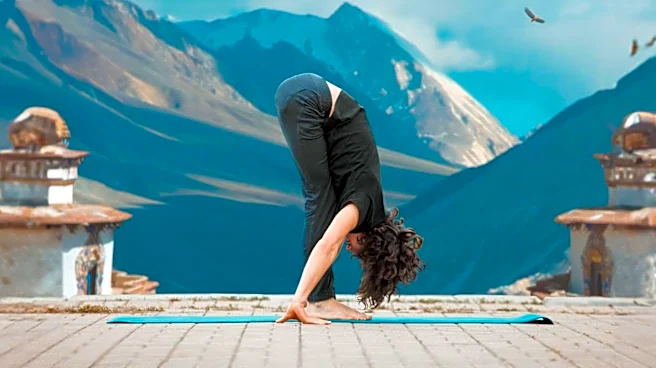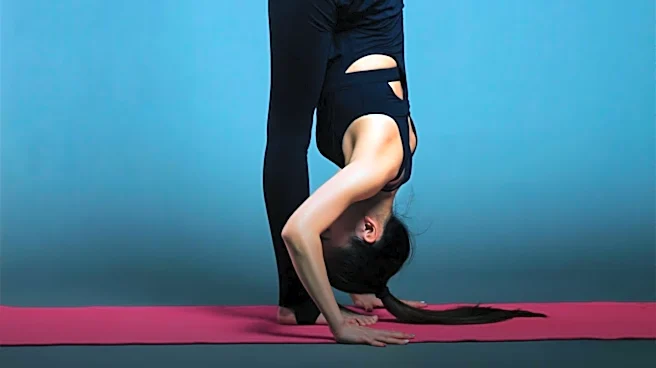

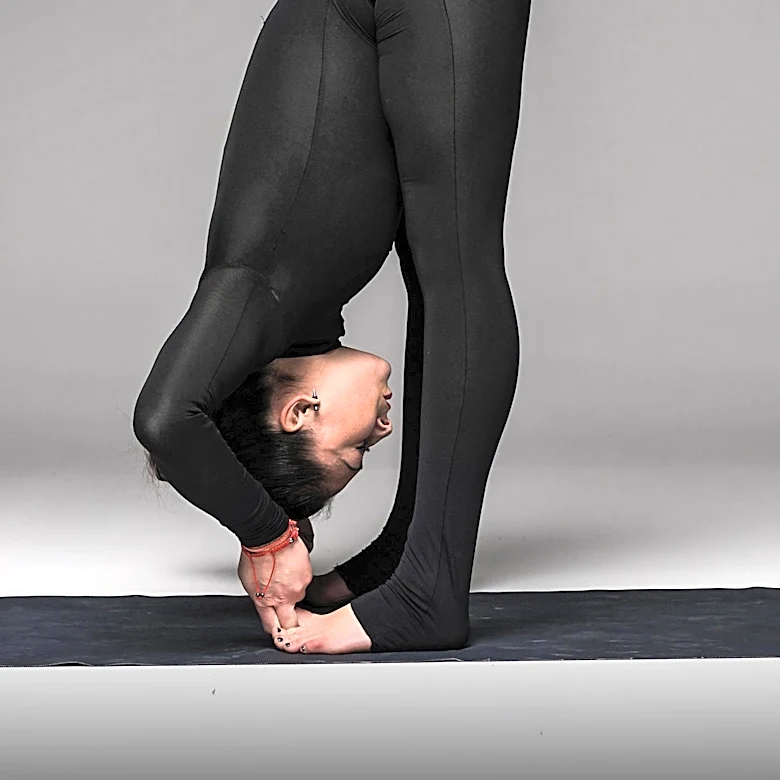
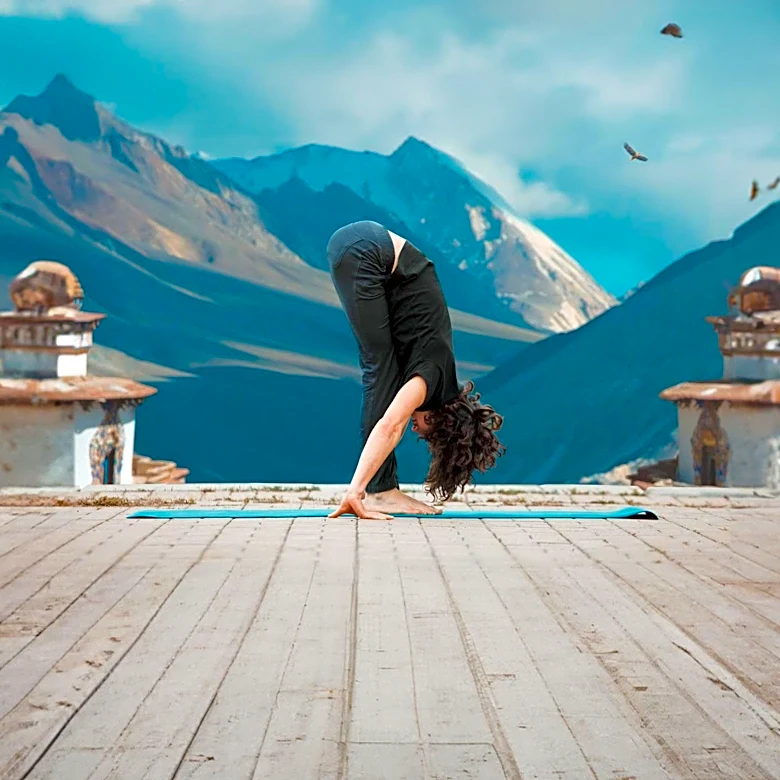






Standing asanas, or yoga poses performed with one or both feet on the ground, have become a hallmark of modern yoga practice. These poses, which emphasize balance and strength, were not always a central part of yoga. Their evolution reflects broader changes in the practice of yoga, particularly in the 20th century. This article explores how standing asanas developed and became integral to modern yoga.
Historical Roots of Standing Asanas
The history of standing asanas is relatively recent
compared to other yoga postures. Traditionally, yoga focused on seated meditation poses, with few standing poses documented before the 20th century. Vrikshasana, or Tree Pose, is one of the few standing poses with historical roots, mentioned in the 17th-century text Gheraṇḍa Saṃhitā. However, the widespread incorporation of standing asanas into yoga practice began in the 20th century.
The introduction of standing asanas is often attributed to the influence of physical culture and gymnastics in India during the early 1900s. This period saw a surge in interest in physical fitness, partly as a response to colonial stereotypes about the physical degeneracy of Indians. As a result, yoga began to incorporate more dynamic and physically demanding postures, including standing asanas.
The Role of Key Figures in Popularizing Standing Asanas
Several key figures played a significant role in popularizing standing asanas. Krishnamacharya, often referred to as the father of modern yoga, was instrumental in this transformation. He integrated elements of gymnastics and physical culture into yoga, creating a more dynamic practice that included standing poses. His students, such as B.K.S. Iyengar and Pattabhi Jois, further developed and popularized these poses.
Iyengar's 1966 book, "Light on Yoga," described many standing asanas and helped to standardize their practice. The book's detailed instructions and photographs made these poses accessible to a global audience, contributing to their widespread adoption. Similarly, Jois's Ashtanga Vinyasa Yoga emphasized flowing sequences of standing asanas, further cementing their place in modern yoga.
The Impact of Standing Asanas on Modern Yoga
The inclusion of standing asanas has significantly impacted modern yoga, transforming it into a more physically demanding practice. These poses require strength, balance, and concentration, offering both physical and mental benefits. They have also allowed yoga to be practiced as a form of aerobic exercise, appealing to a broader audience seeking fitness and wellness.
Standing asanas have become a defining feature of modern yoga, reflecting the practice's evolution and adaptation to contemporary needs. As yoga continues to grow in popularity, these poses remain central to its practice, embodying the balance between tradition and innovation.