


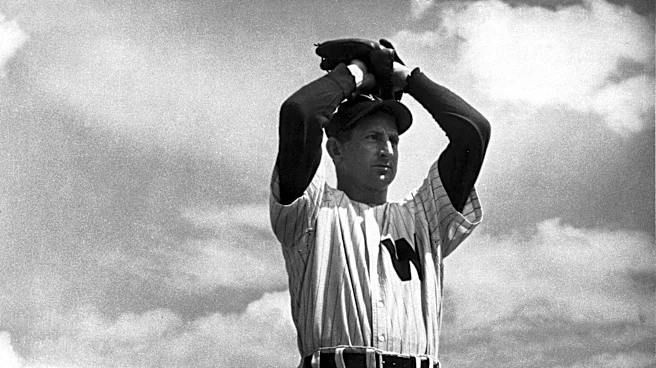
Hank Borowy was a prominent figure in Major League Baseball during the 1940s and early 1950s. Known for his right-handed pitching, Borowy played for several teams, including the New York Yankees, Chicago Cubs, Philadelphia Phillies, Pittsburgh Pirates, and Detroit Tigers. His career spanned from 1942 to 1951, during which he achieved a notable record and participated in six World Series games. This article explores the key moments and achievements
of Borowy's career, highlighting his impact on the teams he played for and his legacy in baseball history.
Early Success with the Yankees
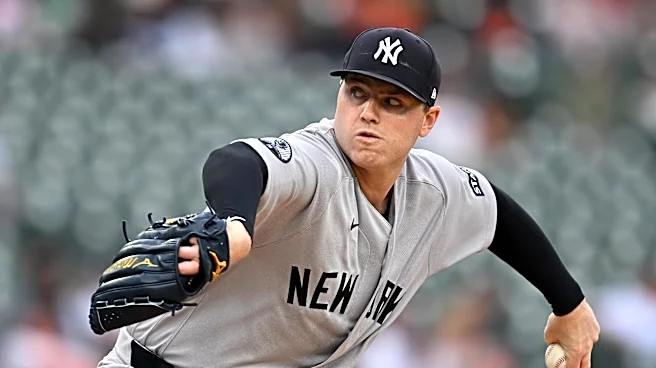
Hank Borowy made his Major League debut with the New York Yankees on April 18, 1942. In his first season, he quickly established himself as a reliable pitcher, finishing with a 15–4 record, 85 strikeouts, and a 2.82 ERA. His performance earned him a spot in the World Series, where he started Game 4 against the St. Louis Cardinals, although he did not receive a decision.
The following year, Borowy continued to impress with a 14–9 record and 107 strikeouts, maintaining a 2.82 ERA. His efforts contributed to the Yankees' success, and he was credited with the win in Game 3 of the World Series against the Cardinals. In 1944, Borowy's talent was recognized with an All-Star selection, where he pitched three scoreless innings. He ended the season with a 17–12 record, 107 strikeouts, and a 2.64 ERA, solidifying his reputation as a top pitcher.
Transition to the Chicago Cubs
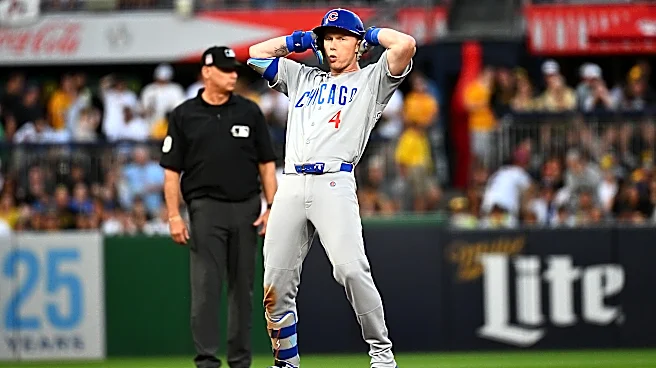
In 1945, Borowy's career took a significant turn when he was placed on waivers by the Yankees and sold to the Chicago Cubs for $100,000. Despite the mid-season transition, Borowy excelled with the Cubs, posting an 11–2 record and leading the National League in winning percentage and ERA. His combined record for the year was 21–7, making him one of only two pitchers in history to win at least 10 games for two different teams in the same season.
Borowy's performance was instrumental in the Cubs winning the pennant, and he played a crucial role in the World Series against the Detroit Tigers. He pitched a six-hit shutout in the opener and contributed to the Cubs' efforts throughout the series, although they ultimately lost to the Tigers.
Challenges and Legacy
After his peak years, Borowy faced challenges with finger blisters and a chronic sore shoulder, which affected his performance. Despite these setbacks, he continued to play until 1951, when he retired from Major League Baseball. His career ended on a difficult note, with one of the worst pitching performances recorded in a game against the St. Louis Browns.
Hank Borowy's career in Major League Baseball is remembered for his early successes and his significant contributions to the teams he played for. His ability to adapt and excel with different teams, particularly during the 1945 season, highlights his skill and determination as a pitcher. Borowy's legacy lives on as a testament to the impact a dedicated player can have on the sport.