




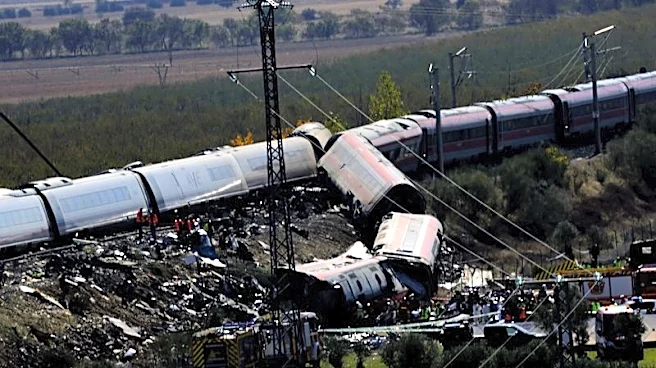
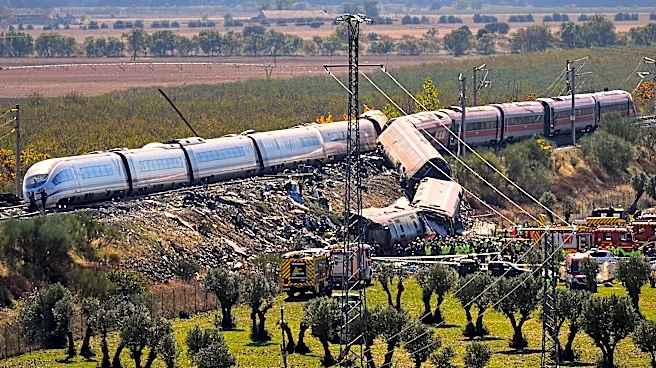

On October 30, 1972, Chicago experienced its most devastating commuter rail crash during the cloudy morning rush hour. This tragic event involved two Illinois Central Gulf trains near the 27th Street station, resulting in a rear-end collision that claimed 45 lives and injured 332 people. The incident highlighted critical safety lapses and operational oversights that contributed to the severity of the disaster, leaving a lasting impact on the city's
transportation history. The crash involved a newly purchased bilevel train and an express train composed of more heavily constructed single-level cars, setting the stage for a catastrophic impact.
The Ill-Fated Maneuver of Train 416
The sequence of events leading to the collision began with Illinois Central Gulf Train 416, a train made up of new Highliners. This train overshot the 27th Street station platform on what is now known as the Metra Electric District. Following this overshoot, the engineer of Train 416 requested and received permission from the train's conductor to back the train up to the platform. This decision, while seemingly practical, set in motion a chain of events that would prove fatal.
The critical error in this maneuver was the absence of flag protection, a safety measure explicitly required by the railroad's rules. The practice of using a flagman had reportedly fallen out of use among the crew, despite being a prescribed safety protocol. Instead, the conductor and engineer attempted to coordinate the backward movement of the train. Their view was partially obstructed by a curve in the track, further complicating the already risky maneuver and leaving the train vulnerable to oncoming traffic.
The Approach of Express Train 720
As Train 416 was backing up without proper flag protection, it passed automatic block signals. These signals subsequently cleared express Train 720 to proceed at full speed on the same track. Train 720 was composed of more robust, single-level cars, which would later contribute to the destructive force of the collision. The engineer of the express train was unaware of the bilevel train backing up ahead until it was too late to prevent an impact.
The express train's speed played a significant role in the severity of the crash. Later investigations estimated that Train 720 struck Train 416 at approximately 44-50 mph. Had Train 720 been traveling slower, around 30 mph, it is believed that its engineer might have been able to see the red light for Train 416 and potentially avoid the collision altogether. The combination of Train 416's unprotected reverse movement and Train 720's speed created a deadly scenario.
The Catastrophic Impact and Immediate Aftermath
When the two trains collided, the front car of the express train telescoped into the rear car of the bilevel train. This violent impact resulted in the immediate deaths of 45 individuals and left 332 injured. The telescoping effect, where one car overrides and penetrates another, is a particularly destructive form of rail collision, often leading to severe casualties.
The death toll, while tragic, could have been even higher. Fortunately, the accident occurred in close proximity to two major medical facilities: Michael Reese Hospital (which later relocated) and Mercy Hospital. The immediate availability of these hospitals likely played a crucial role in providing rapid medical attention to the numerous injured passengers, potentially saving many lives in the critical moments following the disaster.