








Cadillac, a name that resonates with luxury and automotive excellence, did not spring into existence fully formed. Its birth in 1902 was a direct consequence of the dissolution of the Henry Ford Company, marking a pivotal moment in American industrial history. Founded in Detroit, Michigan, the company quickly established an identity rooted in precision, quality, and a nod to the city's French heritage. This early period was crucial in shaping Cadillac's
reputation, setting it on a path to become one of the world's premier automotive brands and eventually the prestige division of General Motors.
From Disbandment to New Beginnings
The story of Cadillac begins with the remnants of the Henry Ford Company. In March 1902, a dispute between Henry Ford and his investors led to Ford's departure, along with several key partners. Faced with a defunct enterprise, Ford's financial backers, William Murphy and Lemuel Bowen, sought to liquidate the company's assets. They called upon Henry M. Leland, an accomplished engineer from Leland & Faulconer Manufacturing Company, to appraise the plant and equipment. However, Leland, a visionary in his own right, saw an opportunity where others saw an end.
Instead of merely appraising for liquidation, Leland persuaded Murphy and Bowen to reconsider. He proposed that they continue manufacturing automobiles, but with a crucial difference: they would use Leland's proven single-cylinder engine. This intervention led to the establishment of the Cadillac Automobile Company on August 22, 1902. The new company repurposed the former Henry Ford Company factory located at Cass Street and Amsterdam Avenue, effectively transforming a failed venture into the genesis of an automotive legend. This decision not only saved the factory but also introduced a new philosophy of manufacturing to the nascent auto industry.
A Name Steeped in History
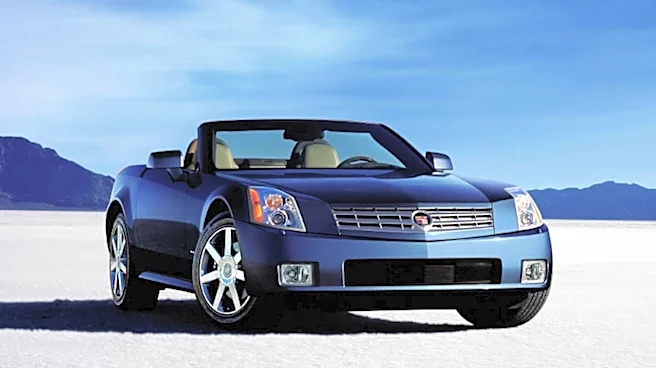
The choice of the name "Cadillac" was a deliberate and significant one, connecting the new automotive brand directly to the history of its home city, Detroit. The company was named after Antoine de la Mothe Cadillac, the French explorer who founded Detroit in 1701. This naming decision imbued the brand with a sense of heritage and sophistication from its very beginning. Furthermore, the Cadillac crest, which would become an enduring symbol of the brand, was directly based on Antoine de la Mothe Cadillac's coat of arms.
This historical connection provided Cadillac with an immediate identity that transcended mere mechanics. It linked the brand to exploration, establishment, and a certain aristocratic flair, aligning perfectly with the luxury aspirations of its vehicles. This early branding strategy helped to differentiate Cadillac in a rapidly growing automotive market, giving it a unique narrative that combined American ingenuity with European historical depth.
Early Reputation and Acquisition by General Motors
From its earliest years, Cadillac quickly earned a reputation for precision engineering and stylish luxury finishes. This commitment to quality meant that Cadillac cars were ranked among the finest in the United States. The company was also a pioneer in automotive design, becoming the first volume manufacturer of a fully enclosed car in 1906. These early achievements set a high bar for the brand and contributed to its rapid success.
By July 29, 1909, Cadillac's growing prestige and technological prowess caught the attention of William C. Durant, leading to its acquisition by the General Motors (GM) conglomerate. Under GM, Cadillac was strategically positioned as the company's prestige division, exclusively dedicated to the production of large luxury vehicles. This move solidified Cadillac's place at the top of GM's hierarchy, above other marques like Buick, Oldsmobile, and Chevrolet, ensuring its continued focus on luxury and innovation. The brand's early identity, forged in precision and historical connection, proved to be a robust foundation for its future as an automotive icon.