






Systematic desensitization is a widely recognized form of exposure therapy designed to treat phobias and various anxiety disorders. Developed by psychiatrist Joseph Wolpe in the 1950s, this therapeutic technique operates on the principle of reciprocal inhibition, which posits that anxiety and relaxation cannot exist simultaneously. The core idea is to gradually expose an individual to an anxiety-provoking stimulus while they are in a state antagonistic
to anxiety, such as deep relaxation. This repeated pairing aims to progressively decrease their fear response to the stimulus, ultimately helping them learn to cope with and overcome their fears.
The therapy's goal is to enable individuals to manage their fear at each level of an exposure hierarchy. This process is structured into three distinct steps, ensuring a methodical and controlled approach to confronting anxiety. By understanding and applying these steps, individuals can systematically work towards reducing and eventually eliminating their phobic reactions, leading to a more serene state when faced with previously feared situations or objects.
Establishing the Fear Hierarchy
The initial and crucial step in systematic desensitization involves establishing an anxiety stimulus hierarchy. This process begins with the individual identifying all the specific items or situations that trigger their anxiety. Each identified item is then assigned a subjective ranking based on the severity of the anxiety it induces. If an individual experiences significant anxiety from multiple triggers, each trigger is addressed separately.
For every identified trigger or stimulus, a detailed list is created, ranking events from the least anxiety-provoking to the most anxiety-provoking. For instance, someone with a phobia of snakes might rate seeing a picture of a snake as low on the fear scale, while having live snakes crawling on them would be at the highest end. This hierarchy serves as a roadmap for the subsequent stages of therapy, ensuring that exposure is gradual and manageable, preventing overwhelming distress.
Mastering Relaxation and Coping Techniques
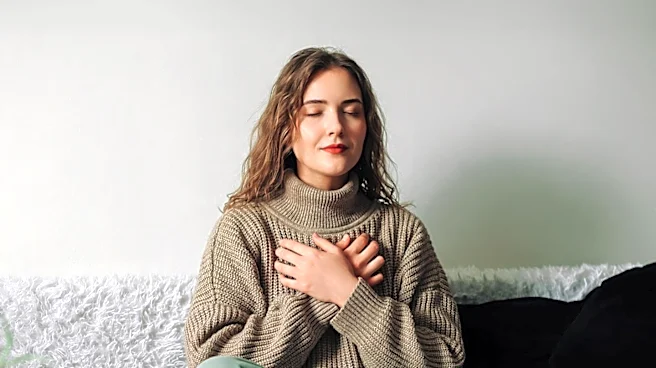
The second essential step is to learn and master relaxation or coping techniques. Joseph Wolpe emphasized relaxation training, such as meditation, as a primary coping strategy because, as per the principle of reciprocal inhibition, it is impossible to be both relaxed and anxious at the same time. Patients are taught to practice tensing and relaxing different parts of their body until they can achieve a state of serenity.
This mastery of relaxation is vital as it provides the individual with a practical means of controlling their fear, preventing it from escalating to intolerable levels. Only a few sessions are typically needed for a patient to learn these appropriate coping mechanisms. Other coping strategies that can be incorporated include anti-anxiety medication, breathing exercises, and cognitive reappraisal of imagined outcomes. The therapist might encourage patients to examine their imagined catastrophic scenarios when exposed to the anxiety-inducing stimulus and then replace these with positive imagined outcomes.
Counter-Conditioning Through Gradual Exposure
The final step involves connecting the anxiety-provoking stimulus to the newly learned incompatible response or coping method through a process known as counter-conditioning. In this stage, the client first achieves a state of complete relaxation. Once relaxed, they are presented with the lowest item on their previously established hierarchy of anxiety-provoking situations. As the patient maintains serenity after being presented with the first stimulus, the next stimulus, which presents a slightly higher level of anxiety, is introduced.
This activity is repeated progressively, moving up the hierarchy, until all items on the list can be confronted without inducing any anxiety in the client. If at any point during the exercise the coping mechanisms fail, or the patient experiences severe anxiety, the exercise is temporarily stopped. Once the individual is calm again, the last stimulus that was presented without inducing anxiety is reintroduced, and the exercise continues. This systematic and gradual exposure, combined with relaxation, helps the patient overcome their phobia by gradually extinguishing the anxiety response.