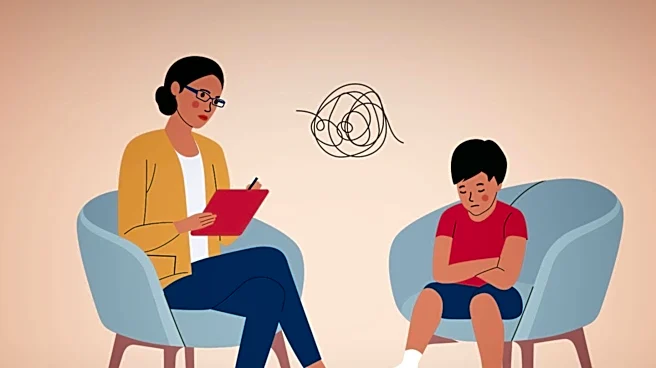











Applied Behavior Analysis (ABA) is not only a tool for educational and developmental purposes but also plays a crucial role in clinical settings. Known as Clinical Behavior Analysis (CBA), this application of ABA focuses on therapeutic interventions that address a wide range of psychological and behavioral issues. By leveraging the principles of behaviorism, CBA offers a structured approach to therapy that is both effective and adaptable.
The Foundations of Clinical Behavior Analysis
Clinical
Behavior Analysis is rooted in the principles of radical behaviorism, which emphasizes the importance of observable behavior over internal thoughts and feelings. This approach allows therapists to focus on the environmental factors that influence behavior, making it possible to implement targeted interventions.
Functional analytic models, such as relational frame theory, are central to CBA. These models provide a framework for understanding verbal behavior and its impact on therapy outcomes. By analyzing the function of behavior within the therapeutic context, clinicians can develop strategies that promote positive change.
Therapeutic Applications
CBA encompasses a variety of therapeutic models, each tailored to specific clinical needs. Acceptance and Commitment Therapy (ACT) is one of the most well-researched models within CBA. It combines mindfulness and behavior change techniques to help clients commit to their values and improve their mental health.
Behavioral Activation is another key component of CBA, particularly in the treatment of depression. This approach focuses on increasing engagement in rewarding activities to counteract the effects of negative thoughts and emotions. By using reinforcement principles, therapists can help clients build healthier behavior patterns.
Expanding the Scope of ABA
The versatility of ABA in clinical settings is evident in its application to couples therapy, known as Integrative Behavioral Couples Therapy. This model uses functional assessments to address relationship dynamics, helping couples improve communication and resolve conflicts.
Community Reinforcement Approach and Family Training (CRAFT) is another innovative application of ABA. It combines family therapy with behavioral techniques to reduce substance abuse and improve family dynamics. By focusing on functional behavioral assessments, CRAFT offers a comprehensive approach to treatment.
As ABA continues to evolve, its applications in clinical settings expand, offering new opportunities for therapeutic interventions. The focus on observable behavior and environmental factors ensures that ABA remains a powerful tool in the field of psychology, providing effective solutions for a wide range of clinical challenges.