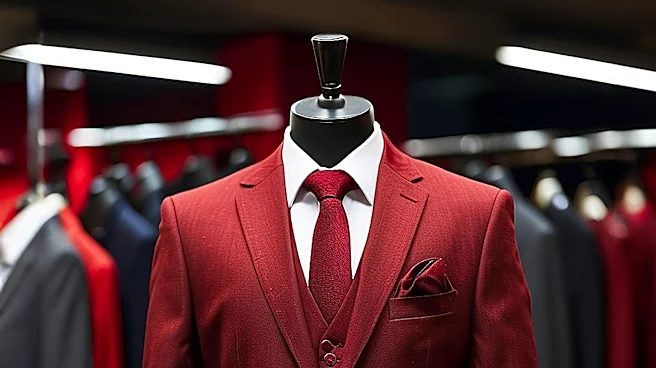









The three-piece suit, a classic ensemble consisting of a jacket, trousers, and waistcoat, holds a significant place in the history of men's fashion. Its origins can be traced back to the 17th century, evolving from earlier garments and eventually becoming a prototype for modern formal attire. This iconic combination, initially a symbol of royal decree and a departure from French fashion, has undergone numerous transformations over centuries, reflecting
changing societal norms, practical needs, and aesthetic preferences, yet it remains a staple in wardrobes today.
Royal Origins and Early Development
In 1666, King Charles II of England played a pivotal role in establishing the three-piece ensemble. He introduced a new fashion for men, declaring a long vest or waistcoat, worn with breeches and an equally long overcoat, as the appropriate attire for gentlemen. This move was a deliberate effort to distinguish English men's fashion from the dominant French styles of the time. Samuel Pepys, a diarist and civil servant, noted this royal decree on October 8, 1666, observing that the King had declared his resolution to set a fashion for clothes he would never alter, specifically mentioning the vest as a means to teach nobility thrift.
John Evelyn also commented on waistcoats on October 18, 1666, stating that His Majesty solemnly adopted the