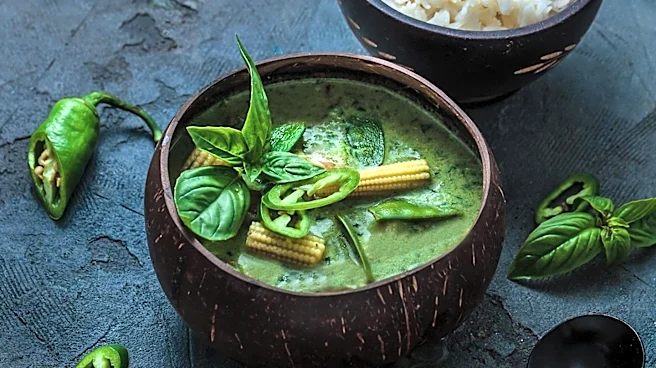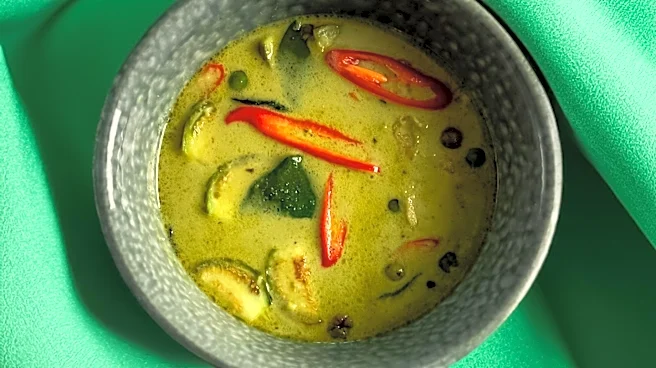






Green curry is a staple of Thai cuisine, known for its vibrant color and rich flavors. This dish, originating from central Thailand, has a history that reflects the cultural and culinary evolution of the region. The name 'green curry' is derived from the dish's distinctive color, which comes from the use of green chilies. Despite its name, the 'sweet' in its Thai name refers to the color rather than the taste.
Historical Roots
Green curry's development can be traced
back to the reign of King Rama VI or Rama VII, between 1908 and 1926. During this period, Thai cuisine began to incorporate a variety of new ingredients and cooking techniques, influenced by both local and foreign culinary traditions. The introduction of green curry paste, made from fresh green chilies, coconut milk, and other spices, marked a significant evolution in Thai cooking.
The dish's origins in central Thailand are significant, as this region has long been a melting pot of different cultures and culinary practices. The use of coconut milk in green curry is a testament to the influence of southern Thai cuisine, where coconut palms are abundant. This ingredient adds a creamy texture and a subtle sweetness to the dish, balancing the heat from the chilies.
Ingredients and Variations
The ingredients of green curry are not fixed, allowing for a wide range of variations. The core components include green curry paste, coconut milk, and green chilies, but additional ingredients such as palm sugar, fish sauce, kaffir lime leaves, and Thai basil are often used to enhance the flavor. This flexibility in ingredients reflects the adaptability of Thai cuisine, which often incorporates locally available produce.
Green curry is known for its pungency, which can vary depending on the amount and type of chilies used. While it is generally spicier than red curry, the level of heat can be adjusted to suit different palates. This adaptability has contributed to the dish's popularity both in Thailand and internationally.
Cultural Significance
Green curry is more than just a dish; it is a symbol of Thai culinary identity. Its vibrant color and complex flavors represent the diversity and richness of Thai culture. The dish is typically served hot, often accompanied by rice or noodles, making it a staple in Thai households and restaurants.
The evolution of green curry over the years reflects broader changes in Thai society, including increased exposure to global culinary trends and a growing appreciation for traditional Thai flavors. As Thai cuisine continues to gain international recognition, green curry remains a beloved dish that showcases the unique characteristics of Thai cooking.