






The Berlin Blockade was a critical event in the early years of the Cold War, marking a significant escalation in tensions between the Soviet Union and the Western Allies. Lasting from June 1948 to May 1949, the blockade was a Soviet attempt to force the Western Allies out of Berlin by cutting off all land access to the city. In response, the Allies launched the Berlin Airlift, a massive operation to supply West Berlin with food and other essentials.
This confrontation not only highlighted the ideological divide between East and West but also set the stage for future Cold War conflicts.
The Origins of the Blockade
The Berlin Blockade was rooted in the post-World War II division of Germany and Berlin into occupation zones controlled by the United States, the United Kingdom, France, and the Soviet Union. Tensions between the Soviets and the Western Allies grew as the latter moved to establish a separate government in their zones and extend the Marshall Plan to Germany. The Soviets viewed these actions as a threat to their influence in Eastern Europe and responded by blocking all land routes to West Berlin, effectively isolating the city.
The blockade was a strategic move by the Soviet Union to exert pressure on the Western Allies and force them to abandon their plans for a separate West German state. By cutting off access to West Berlin, the Soviets hoped to demonstrate their control over the city and weaken the resolve of the Allies. However, the Western powers were determined to maintain their presence in Berlin and refused to be intimidated by Soviet tactics.
The Berlin Airlift: A Defiant Response
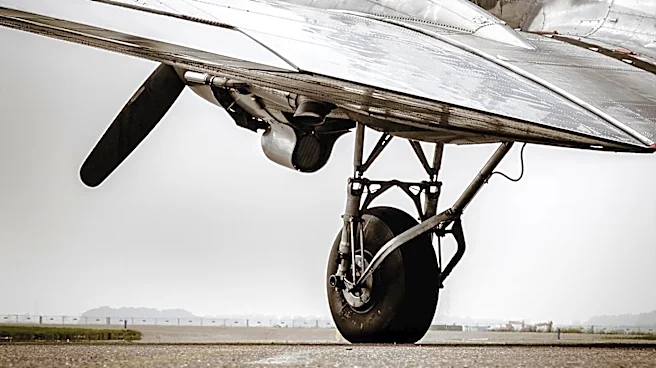
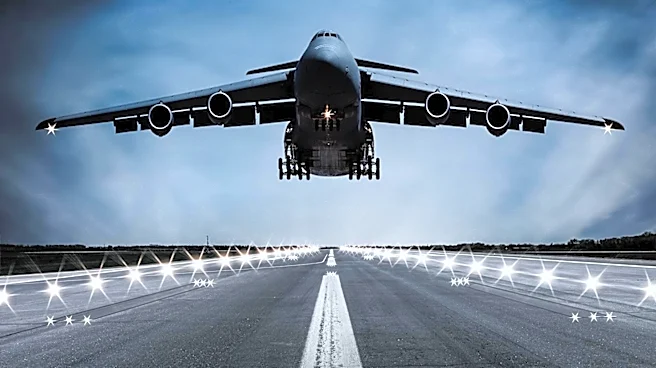
In response to the blockade, the Western Allies launched the Berlin Airlift, a massive logistical operation to supply West Berlin with food, fuel, and other necessities. The airlift involved hundreds of aircraft flying thousands of missions to deliver supplies to the beleaguered city. Despite initial skepticism about the feasibility of the airlift, it proved to be a resounding success, with the Allies managing to sustain West Berlin throughout the blockade.
The Berlin Airlift was a testament to the determination and ingenuity of the Western Allies in the face of Soviet aggression. It demonstrated their commitment to defending the people of West Berlin and maintaining their presence in the city. The airlift also served as a powerful symbol of Western resolve and unity, strengthening the bonds between the United States, the United Kingdom, and France.
The Aftermath and Legacy
The Berlin Blockade ended in May 1949 when the Soviets lifted the blockade, realizing that their strategy had failed to achieve its objectives. The airlift continued until September 1949, ensuring that West Berlin was fully stocked with supplies. The blockade and airlift had significant implications for the Cold War, solidifying the division of Germany and Berlin and leading to the formation of NATO.
The Berlin Blockade was a pivotal moment in Cold War history, highlighting the ideological and geopolitical divide between East and West. It set the stage for future confrontations and underscored the importance of Berlin as a symbol of freedom and resistance against Soviet expansion. The successful airlift demonstrated the resolve of the Western Allies and their commitment to defending democratic values in the face of communist aggression.