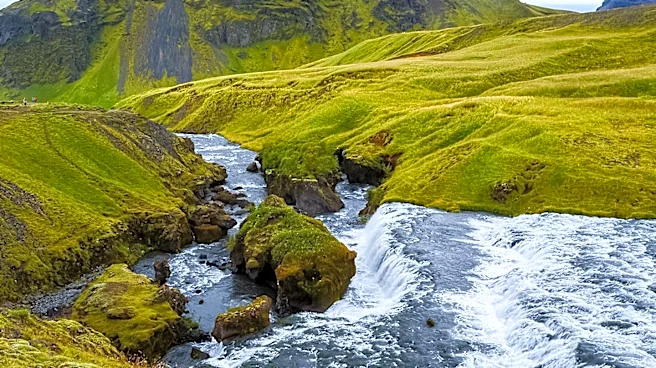





Iceland, a country located in the North Atlantic Ocean, is renowned for its unique geographical features and diverse ecosystem. This island nation is characterized by its volcanic landscape, glaciers, and geothermal activity, which have shaped its environment and influenced the flora and fauna found there. Understanding Iceland's geography provides insight into how its ecosystem has evolved and adapted over time.
Volcanic Landscape and Geothermal Activity
Iceland's geography is dominated by
volcanic activity, with the island sitting atop the Mid-Atlantic Ridge. This positioning results in frequent volcanic eruptions, which have historically impacted the island's landscape and ecosystem. The presence of active volcanoes, such as Hekla and Eldfell, contributes to the island's rugged terrain and the formation of new land. Geothermal activity is another significant aspect of Iceland's geography, providing a source of renewable energy and influencing the country's climate.
The geothermal energy harnessed from Iceland's volcanic activity is used for heating homes and generating electricity, making it a vital resource for the island's inhabitants. Additionally, the geothermal heat supports the growth of unique plant species in areas with warm soil, contributing to the island's biodiversity. This geothermal influence is evident in the presence of hot springs and geysers, such as the famous Geysir and Strokkur, which attract tourists from around the world.
Glaciers and Their Impact on the Environment
Glaciers cover approximately 11.1% of Iceland's land area, with Vatnajökull being the largest glacier in Europe by volume. These glaciers play a crucial role in shaping the island's environment, affecting both the landscape and the climate. The melting of glaciers due to climate change has significant implications for Iceland, including rising sea levels and changes in vegetation patterns.
The retreat of glaciers in Iceland is a concern for environmentalists, as it impacts the island's water supply and contributes to soil erosion. The loss of glacial ice also affects the habitats of various species, leading to shifts in the ecosystem. Efforts to monitor and mitigate the effects of glacial retreat are essential for preserving Iceland's natural environment and maintaining its ecological balance.
Biodiversity and Adaptation
Iceland's isolated location and harsh climate have resulted in a unique ecosystem with limited species diversity. The island's flora and fauna have adapted to survive in the challenging conditions, with species such as the Arctic fox being native to the region. The introduction of non-native species, such as sheep and horses, has also influenced the island's ecosystem.
Efforts to preserve Iceland's biodiversity include reforestation projects and the protection of native species. The Icelandic Forest Service promotes large-scale reforestation to combat soil erosion and enhance the island's ecological resilience. These initiatives aim to restore the natural environment and support the diverse species that call Iceland home.