




The Dubai Autodrome stands as a prominent FIA-sanctioned motorsports circuit located in Dubailand, Dubai, United Arab Emirates. Opened in October 2004, this 5.39-kilometer track quickly established itself as a significant venue on the international racing calendar. It was inaugurated with the LG Super Racing Weekend finals, which included the final rounds of the FIA GT Championship, the European Touring Car Championship, and the 2004 Formula Renault
V6 Eurocup season. The Autodrome's development was a foundational part of the larger Dubai Motor City project, showcasing Dubai's ambition to become a global center for various sports and entertainment.
Early International Competitions and Notable Drivers
From its inception, the Dubai Autodrome attracted major international racing series. In December 2005, it hosted the A1 Grand Prix, further solidifying its reputation as a premier racing destination. The FIA GT Championship also returned to the circuit from 2004 to 2006, bringing high-profile endurance and grand touring car racing to the region. The track has seen some of the world's most famous drivers compete or visit, including Formula One champions Michael Schumacher, Kimi Raikkonen, and Jenson Button, underscoring its appeal to top-tier talent in motorsports.
The Hankook 24 Hours of Dubai Endurance Race
Since 2006, the Autodrome has been the home of the Hankook 24 Hours of Dubai, an endurance race that has become a cornerstone of the international motorsports calendar. This event is notable as the first road race of its kind in the region, attracting racing teams from across the Emirates and beyond. The 24 Hours of Dubai is open to both professional and semi-professional teams, making it an inclusive yet highly competitive event that tests both driver skill and vehicle durability over an extended period.
Design and Facilities of a Modern Circuit
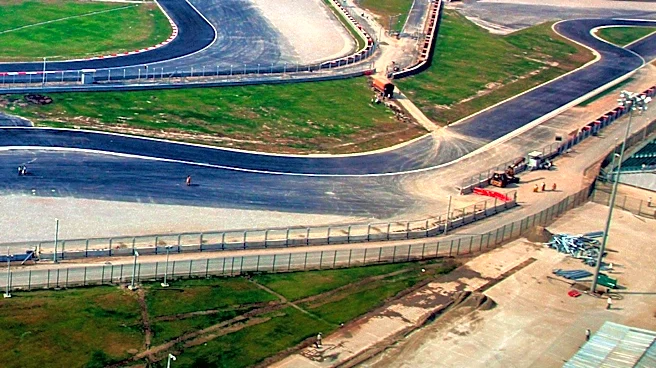
The Dubai Autodrome was designed by Clive Bowen of Apex Circuit Design, with the project architects being Populous. The circuit features four distinct F1 track configurations and two motorcycle track configurations, all engineered to meet stringent safety requirements. It was the first FIA-recognized circuit to incorporate asphalt run-off areas, a design choice aimed at enhancing safety. The facility boasts a state-of-the-art, two-story complex facing the grandstand, which houses essential amenities such as the Pit Complex, Race/Safety control rooms, timing rooms, a media center, VIP suites, and reception areas. A medical center is strategically located behind the pit area to handle emergencies during major events, and a traditional paddock provides space for team personnel. The Autodrome's digital surveillance system offers comprehensive coverage of all track areas, linked to the Race/Safety control room for real-time monitoring and recording, providing valuable insights for both race officials and trainees.