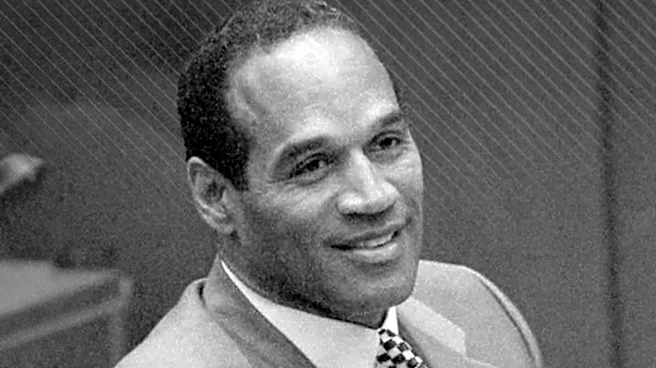





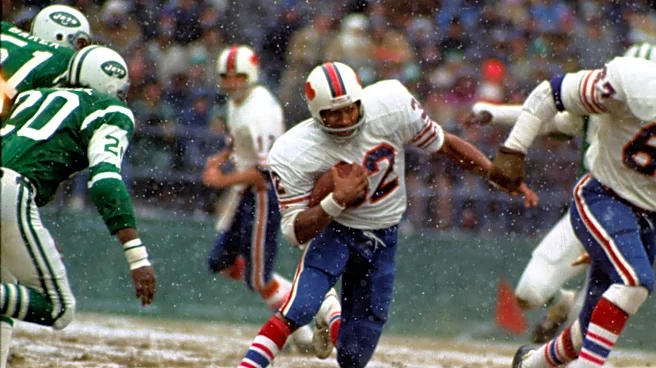


The murder trial of O.J. Simpson, officially known as The People of the State of California v. Orenthal James Simpson, captivated the nation and the world. This high-profile case, which unfolded in the Los Angeles County Superior Court, saw the former NFL star and actor tried for the murders of his ex-wife, Nicole Brown Simpson, and her friend, Ron Goldman. The trial, often dubbed the "trial of the century," was marked by intense media scrutiny and public
interest, lasting from January 24 to October 3, 1995.
The Charges and Arrest
On June 12, 1994, Nicole Brown Simpson and Ron Goldman were found brutally murdered outside Brown's home in Los Angeles. O.J. Simpson quickly became a person of interest in the case. Despite an agreement to turn himself in, Simpson became a fugitive, leading police on a low-speed chase in a white Ford Bronco that was broadcast live on television and watched by millions. This dramatic pursuit ended with Simpson's arrest at his Brentwood estate.
Simpson was formally charged with two counts of first-degree murder. The prosecution, led by Marcia Clark and Christopher Darden, argued that Simpson was implicated by a significant amount of forensic evidence. However, the defense, known as the "Dream Team," led by Johnnie Cochran, F. Lee Bailey, and Robert Shapiro, countered these claims by highlighting alleged mishandling of evidence and racial bias within the LAPD.
The Defense Strategy
The defense team employed a strategy that focused on discrediting the prosecution's evidence and highlighting racial tensions. They argued that the DNA evidence was mishandled and that the LAPD had a history of racial bias, which they claimed tainted the investigation. The defense also capitalized on the public's anger towards the LAPD, which had been inflamed by the Rodney King incident and subsequent riots.
One of the most memorable moments of the trial was when Simpson was asked to try on the gloves found at the crime scene. The gloves appeared too tight, leading Cochran to famously quip, "If it doesn't fit, you must acquit." This moment was pivotal in casting doubt on the prosecution's case.
The Verdict and Aftermath
On October 3, 1995, after a trial that lasted over eight months, the jury acquitted Simpson of both murder charges. The verdict was met with a wide division in public opinion, largely along racial lines. Many African Americans felt justice had been served, while many White Americans believed the verdict was a result of racial bias and jury nullification.
The trial had a lasting impact on the American legal system and public perception of justice. It highlighted issues of race, celebrity, and media influence in legal proceedings. Despite his acquittal in the criminal trial, Simpson was later found liable for the deaths in a civil trial and ordered to pay $33.5 million in damages to the victims' families.