










Anterior cruciate ligament (ACL) reconstruction is a common surgical procedure aimed at restoring knee stability after an ACL injury. With approximately 200,000 ACL tears occurring annually in the United States, understanding the surgical options available is crucial for those facing this procedure. This article explores the various techniques and graft choices used in ACL reconstruction.
Types of Grafts Used in ACL Reconstruction
In ACL reconstruction, the torn ligament is replaced with a graft
to restore knee function. There are several types of grafts used, each with its own advantages and considerations. Autografts, which use tissue from the patient's own body, are a popular choice. Common autograft sources include the patellar tendon, hamstring tendon, and quadriceps tendon. These grafts are favored for their lower risk of rejection and good integration with the patient's body.
Allografts, on the other hand, use tissue from a donor, such as a cadaver. While allografts eliminate the need for a second surgical site, they may carry a slightly higher risk of graft failure compared to autografts. Synthetic grafts, like the Ligament Advanced Reinforcement System (LARS), have also been developed, but their long-term outcomes require further study.
Surgical Techniques in ACL Reconstruction
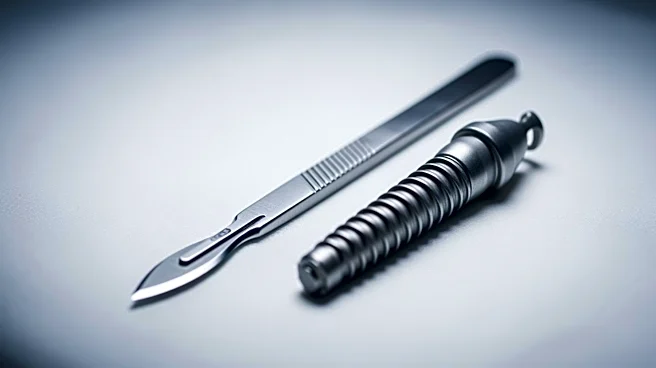
The surgical technique for ACL reconstruction involves creating tunnels in the femur and tibia to secure the graft. The graft is then threaded through these tunnels and fixed in place with screws or other fixation devices. The choice of technique can vary based on the surgeon's preference and the specific needs of the patient.
One advanced technique is the all-inside ACL reconstruction, which uses sockets instead of full tunnels to preserve bone and reduce postoperative pain. This minimally invasive approach is gaining popularity in elite sports medicine practices. Another innovative method is the Bridge-Enhanced ACL Repair (BEAR), which uses a collagen implant to facilitate healing of the native ligament.
Recovery and Rehabilitation
Recovery from ACL reconstruction surgery involves a comprehensive rehabilitation program. Initial physical therapy focuses on restoring range of motion and reducing swelling. As healing progresses, exercises to strengthen the knee and improve stability are introduced. The timeline for returning to sports varies, but it typically takes several months of dedicated rehabilitation.
The success of ACL reconstruction depends on several factors, including the type of graft used, the surgical technique, and the patient's commitment to rehabilitation. With advancements in surgical methods and rehabilitation protocols, many patients can achieve excellent outcomes and return to their previous level of activity.