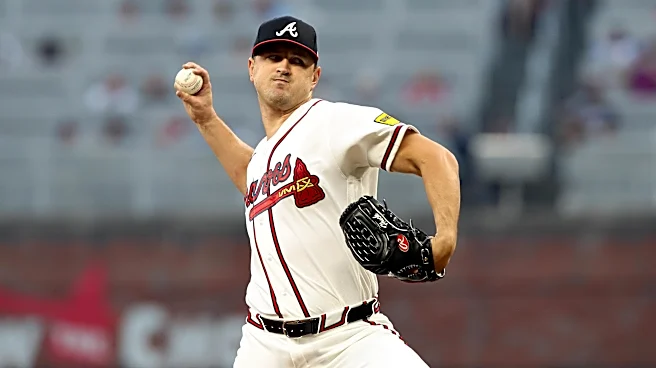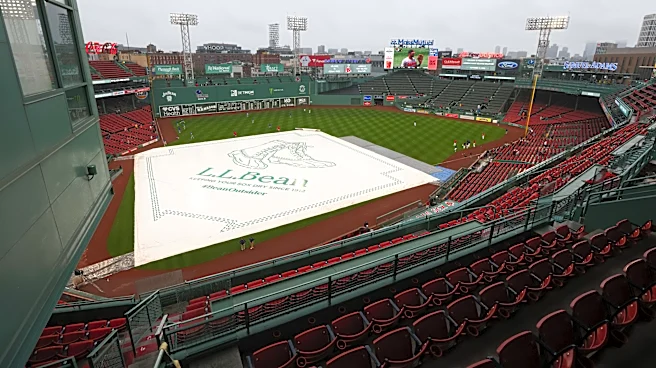



The Atlanta Braves, while celebrated for their on-field achievements and long history, have also navigated periods of controversy and significant shifts in ownership structure. From the cultural debates surrounding their team name and fan traditions to the unique corporate ownership model, the Braves' story extends beyond mere baseball statistics. These elements highlight the team's interaction with broader societal issues and the evolving business
landscape of professional sports.
The "Tomahawk Chop" and Native American Imagery Debate
During the Braves' rise to prominence in the early 1990s, their long-standing ethnic nickname and associated fan traditions came under increased scrutiny. The team faced criticism, particularly for selling plastic and foam tomahawks and encouraging the "tomahawk chop" along with its accompanying war cry emitted by fans. This practice drew protests, notably in Minneapolis when the Braves visited the Twins for Game 1 of the 1991 World Series. The war cry and tomahawk chop are similar to traditions seen at Florida State University games, with the Braves even using recordings of the FSU band in recent years. This tradition is sometimes traced back to the arrival of former Seminole Deion Sanders, who played both baseball for the Braves and football for the NFL's Atlanta Falcons simultaneously.
This controversy brought to light the ongoing debate about the use of Native American imagery and names in sports, prompting discussions about cultural sensitivity and representation. While the team continued to use the name and traditions, the increased public awareness and criticism underscored a significant cultural challenge for the franchise during its most successful era.
Ted Turner's Ownership and "America's Team"
In 1976, media magnate Ted Turner, owner of superstation WTCG (later WTBS, now WPCH-TV), purchased the Braves. This acquisition was driven by Turner's desire to keep the team in Atlanta and use it as a major programming draw for his fledgling cable channel. The financially strapped Turner used money already paid to the team for their broadcast rights as a down payment. This strategic move made the Braves one of the first Major League Baseball franchises to gain a regular, nationwide audience and fanbase, alongside the Chicago Cubs, who were also distributed nationally via another superstation.
Turner's WTCG marketed the Braves as "America's Team," a nickname that still resonates in some parts of the country, especially the South. Turner himself gained a reputation as a quirky, hands-on owner. In 1976, he controversially suggested the nickname "Channel" for new free agent pitcher Andy Messersmith, along with jersey number 17, to indirectly promote WTCG (which broadcast on Channel 17). Major League Baseball quickly vetoed this idea. On May 11, 1977, Turner even appointed himself manager, but due to an MLB rule from the 1950s barring managers from holding a financial stake in their team, he was ordered to relinquish the position after just one game.
Corporate Ownership and Modern Relocation
In a more recent development, the Braves underwent another significant ownership change. In December 2005, Time Warner, which had inherited the Braves after purchasing Turner Broadcasting System in 1996, announced it was placing the team for sale. After more than a year of negotiations, Liberty Media agreed to purchase the team in February 2007. This deal, approved by MLB owners in May 2007, involved an exchange of the Braves, valued at $450 million, a hobbyist magazine publishing company, and $980 million cash, for 68.5 million shares of Time Warner stock held by Liberty. This transaction made the Braves one of only two Major League Baseball teams under majority corporate ownership, and the only National League team with this distinction.
Further demonstrating the team's evolving business strategy, the Braves announced in 2013 that they would vacate Turner Field for a new stadium in Cobb County, in the northwest suburbs of Atlanta, by 2017. This move, following the expiration of their 20-year lease on Turner Field, involved a public/private partnership for the construction of the new facility. These ownership and relocation decisions highlight the complex interplay of sports, business, and community in the modern era of professional baseball.