







Muhammad Ali, one of the most iconic figures in sports history, faced a significant legal battle in the late 1960s when he refused to be drafted into the U.S. military during the Vietnam War. Ali's stance was rooted in his religious beliefs and his identity as a conscientious objector. This article explores Ali's journey through the legal system and the challenges he faced in asserting his right to conscientious objection.
Ali's Religious Beliefs and Draft Refusal
In 1966, Muhammad Ali was
reclassified as 1-A, making him eligible for the draft. However, Ali, a devout member of the Nation of Islam, declared that he would not serve in the U.S. military. He cited his religious beliefs, stating that war was against the teachings of the Holy Qur'an and that he was not trying to dodge the draft but was following his faith. Ali famously stated, "I ain't got no quarrel with them Viet Cong," highlighting his opposition to the Vietnam War.
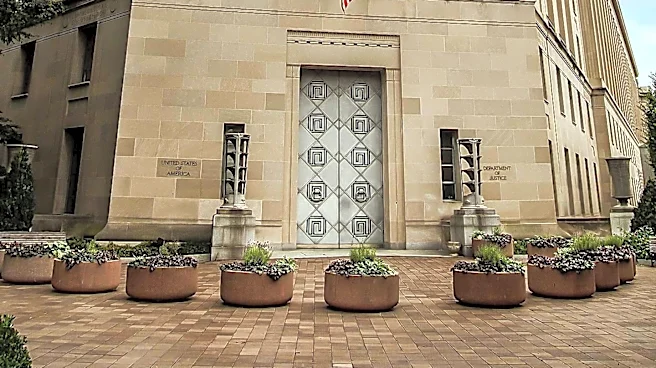
Ali's local draft board in Louisville, Kentucky, rejected his application for conscientious objector status. The Justice Department also recommended denying his claim, arguing that Ali did not meet the criteria for conscientious objection. Despite these setbacks, Ali remained steadfast in his beliefs, refusing to step forward for induction into the military in 1967. This act of defiance led to his conviction for draft evasion, a decision that was upheld by the Fifth Circuit Court of Appeals.
The Legal Battle and Supreme Court Appeal
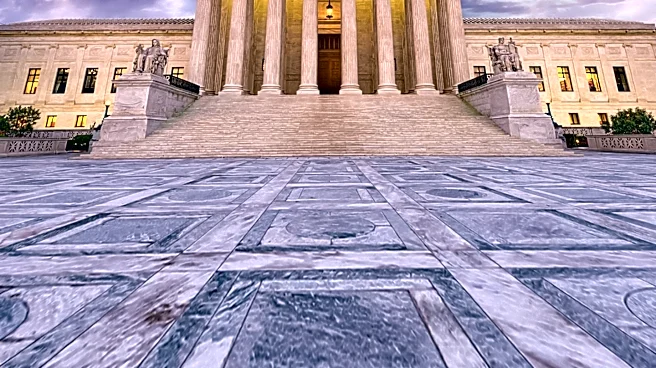
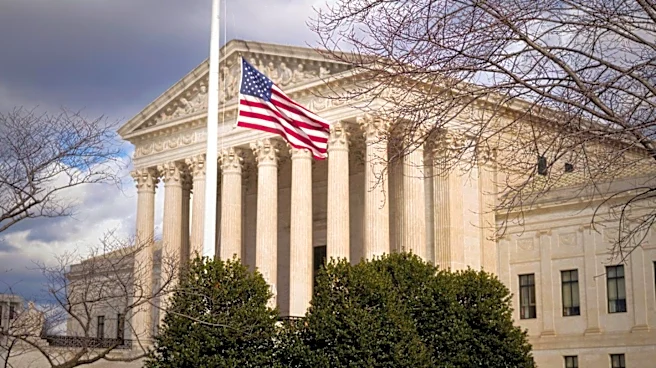
Ali's legal team appealed the conviction, and the case eventually reached the United States Supreme Court. The central issue was whether the draft board had provided adequate reasoning for denying Ali's conscientious objector status. The Supreme Court found that the board had failed to specify the grounds for its decision, making it impossible to determine the basis for the denial.
In a unanimous decision, the Supreme Court reversed Ali's conviction, emphasizing the importance of clear and specific reasoning in such cases. The Court's ruling was influenced by the precedent set in Welsh v. United States, which recognized moral and ethical objections to war as valid grounds for conscientious objection. This decision was a significant victory for Ali and set a precedent for future cases involving conscientious objectors.
The Legacy of Ali's Stand
Muhammad Ali's fight for conscientious objector status was more than just a legal battle; it was a defining moment in his life and career. His refusal to be drafted and his subsequent legal victory made him a symbol of resistance against the Vietnam War and a champion for civil rights. Ali's case highlighted the importance of protecting individual beliefs and rights, even in the face of significant opposition.
Ali's stand also had a lasting impact on the legal landscape, reinforcing the need for clear reasoning in the denial of conscientious objector status. His courage and conviction continue to inspire those who advocate for peace and justice, cementing his legacy as not only a legendary boxer but also a powerful voice for change.