






Oaxaca City, officially known as Oaxaca de Juárez, stands as a testament to Mexico's rich cultural and historical tapestry. This vibrant capital of the Mexican state of Oaxaca holds the prestigious designation of a UNESCO World Heritage Site. This recognition is not just for its beautifully preserved historic center but also for its close association with the ancient archaeological site of Monte Albán. The city's deep roots in Zapotec and Mixtec cultures,
its colonial architecture, and its connection to significant historical figures like Benito Juárez all contribute to its profound legacy, making it a pivotal location for understanding Mesoamerican and Mexican history.
The Historic Center: A Colonial Gem
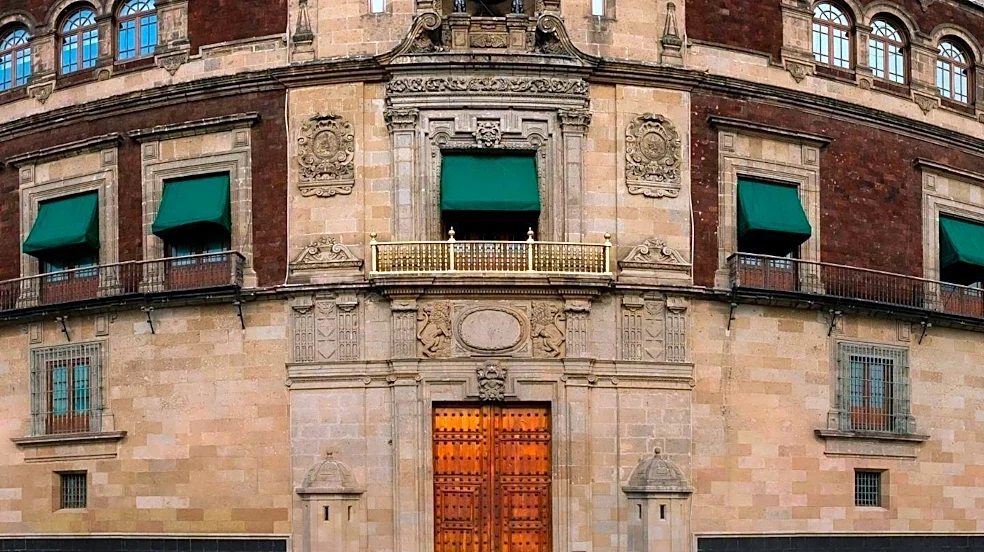
The historic center of Oaxaca City is a living museum, showcasing centuries of architectural evolution and cultural fusion. Its designation as a UNESCO World Heritage Site underscores the exceptional universal value of its urban layout and buildings. The city's grid plan, established during the colonial period, is a prime example of Spanish colonial town planning in the Americas. This layout integrates with the natural landscape, creating a harmonious urban environment that has largely retained its original character.
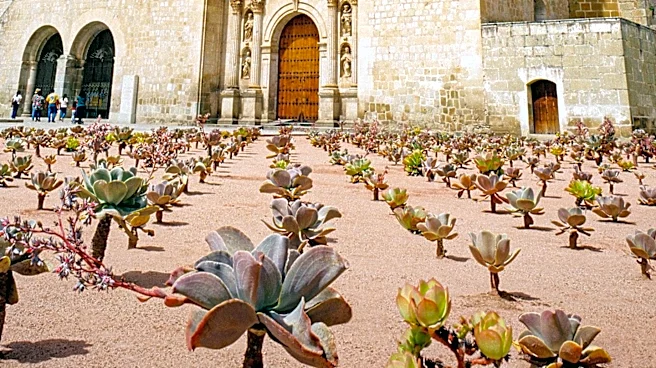
Within this historic core, visitors can find numerous well-preserved colonial buildings, including churches, monasteries, and civil structures. These buildings often feature local green volcanic stone, known as cantera, which gives Oaxaca its distinctive architectural aesthetic. The Centro Cultural de Santo Domingo, housed in a meticulously restored former monastery, exemplifies this architectural grandeur and serves as a major cultural institution, displaying artifacts that span from pre-Hispanic times to the colonial era. The preservation efforts in Oaxaca's historic center are considered among the best in Latin America, allowing its history to be experienced firsthand.
Monte Albán: An Ancient Zapotec Metropolis
Integral to Oaxaca City's World Heritage status is the archaeological site of Monte Albán, located just a short distance from the city. Monte Albán was one of the earliest cities in Mesoamerica and served as the pre-eminent Zapotec socio-political and economic center for nearly a thousand years. Founded around 500 BC, it grew into the capital of a large-scale expansionist polity that dominated much of the Oaxacan highlands.
The site itself is an impressive display of ancient engineering and urban planning, situated atop an artificially leveled mountain ridge. It features a grand Main Plaza, monumental staircases, temples, elite residences, and ballcourts. Among its most famous features are the "Danzantes," carved stone monuments depicting naked, contorted figures believed to be tortured and sacrificed war prisoners. Monte Albán's influence extended to other Mesoamerican regional states, such as Teotihuacan, highlighting its significance in the ancient world. The treasures unearthed from Monte Albán, particularly those from Tomb 7, which include hundreds of gold and silver jewelry pieces, are displayed in Oaxaca City's Museo de las Culturas, further cementing the deep connection between the ancient site and the modern city.
A Legacy of Names and Cultures
Oaxaca City's identity is also reflected in its names and linguistic heritage. Known as Oaxaca de Juárez in Spanish, the addition of "de Juárez" occurred after the death of Benito Juárez in 1872, honoring the former president who hailed from the state. This renaming signifies the city's connection to a pivotal figure in Mexican history. Furthermore, the city is known as La'a in the Zapotec language and Ñuu Nunduva in the Mixtec language, acknowledging the enduring presence and cultural contributions of these indigenous groups. This linguistic diversity, alongside its architectural and archaeological wonders, reinforces Oaxaca City's status as a place where ancient traditions and historical narratives continue to thrive.