







"Candle in the Wind" holds a unique place in Elton John's discography, not only for its enduring melody but for its remarkable transformation. Originally penned in 1973 as a poignant tribute to the late actress Marilyn Monroe, the song was re-recorded and re-released in 1997 with significant lyrical alterations to honor Diana, Princess of Wales, following her tragic death. This evolution from one iconic figure to another showcases the song's adaptable
structure and its capacity to capture collective grief and admiration across different eras and personalities. The 1997 version, often referred to as "Goodbye England's Rose," became an immediate and powerful cultural touchstone.
The Original Inspiration: Marilyn Monroe
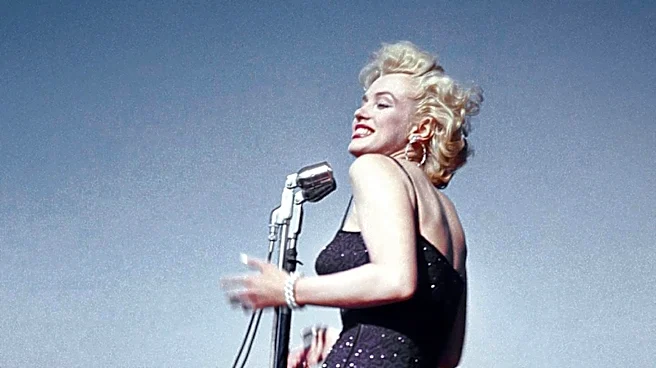
The initial 1973 version of "Candle in the Wind" was a reflection on the life and untimely death of Marilyn Monroe. Written by Bernie Taupin, Elton John's long-time lyricist, the song explored themes of fame, public scrutiny, and the fragility of life under the spotlight. It painted a picture of Monroe as a figure consumed by the very adoration that defined her, a "candle in the wind" whose light was extinguished too soon. This original composition resonated deeply with audiences, establishing itself as a classic within John's repertoire and a commentary on the often-destructive nature of celebrity.
A New Muse: Princess Diana
The tragic passing of Diana, Princess of Wales, in 1997 prompted an extraordinary decision to adapt the song. Elton John, a close friend of Diana, performed the re-written version at her funeral, a moment that captivated the world. The lyrics were carefully revised by Bernie Taupin to reflect Diana's life, her charitable work, and the immense public affection she commanded. Phrases were altered to suit her narrative, transforming the song into a direct and heartfelt eulogy for the "People's Princess." This re-imagining was not merely a superficial change but a profound re-contextualization that imbued the song with new meaning and emotional weight.
Lyrical Adaptation and Emotional Impact
The core structure and melody of the song remained, but many parts of the lyrics were changed to align with Diana's life and death. For instance, references specific to Marilyn Monroe were replaced with imagery and sentiments that spoke directly to Diana's public persona and her impact. This careful adaptation allowed the song to serve as a powerful and immediate expression of collective mourning. The decision to release this updated version as a single, with all proceeds benefiting Diana's charities, further amplified its significance, turning a musical tribute into a philanthropic endeavor. The 1997 rendition, produced by Sir George Martin, not only honored Diana but also demonstrated the enduring power of music to articulate profound human emotions in times of great loss.