






The children's television series "Make a Wish," which aired on ABC from 1971 to 1976, was a product of creative collaboration among talented individuals. The show was created and produced by Lester Cooper, with folk musician Tom Chapin serving as the host. Together with other contributors, they crafted a series that was both educational and entertaining, leaving a lasting impact on children's programming.
Lester Cooper: The Visionary Creator
Lester Cooper was the driving force behind
"Make a Wish," serving as both the creator and producer of the series. His vision for the show was to create a program that would engage young viewers through a combination of education and entertainment. Cooper's approach was to focus each episode on a specific theme, allowing for a deep dive into various topics that would capture the imagination of children.
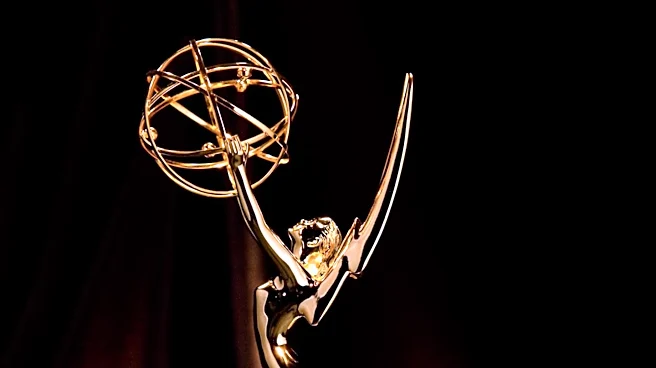
Cooper's innovative ideas were instrumental in shaping the format and style of "Make a Wish." By incorporating elements such as stock footage, animation, and music, he created a dynamic viewing experience that was both informative and visually stimulating. His work on the series earned him recognition in the industry, as "Make a Wish" won a Peabody Award for Best Children's Series in 1971 and an Emmy for Outstanding Informational Children's Series in 1974.
Tom Chapin: The Engaging Host
Tom Chapin, a folk musician, brought his unique talents to "Make a Wish" as the show's host. His engaging presence and musical contributions were key components of the series' success. Chapin introduced each episode's theme in a creative and imaginative manner, often using language that encouraged children to think outside the box.
Music played a significant role in the show's format, with Chapin's brother, Harry Chapin, contributing songs such as "Circle." The title song "Make a Wish" was composed by Bernard Green, who had previously worked on "Your Show of Shows." These musical elements added depth to the series, making it more engaging and memorable for young viewers.
A Collaborative Effort
The success of "Make a Wish" was the result of a collaborative effort among talented individuals who shared a common goal of creating quality children's programming. The show's innovative format and style set a standard for future educational content, influencing the genre for years to come.
In 1976, "Make a Wish" was succeeded by "Animals, Animals, Animals," which continued the tradition of using a similar visual-overload style and folk-style songs. This transition highlighted the enduring influence of "Make a Wish" and the creative minds behind it, as they paved the way for new approaches to children's television.