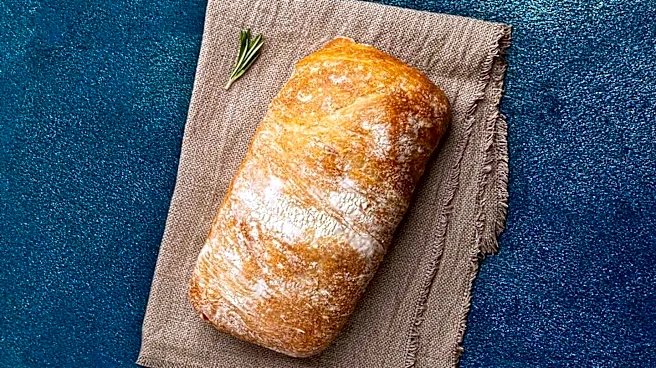

Ciabatta, an Italian white bread, has become a staple in bakeries and homes around the world. Created in 1982 by a baker in Adria, Veneto, this bread is known for its unique texture and flavor. The name
'ciabatta' translates to 'slipper' in Italian, a nod to its flat, oval shape. Over the years, ciabatta has evolved, with various regions in Italy developing their own versions of this beloved bread.
The Birth of Ciabatta
Ciabatta was first produced by Arnaldo Cavallari, who named it ciabatta polesana after the Polesine area where he lived. Cavallari's creation was a response to the growing popularity of French baguettes in Italy. He spent several weeks experimenting with traditional bread recipes before perfecting ciabatta. The bread's distinctive characteristics come from its high hydration dough and the use of strong flour, which results in a soft, wet dough with large holes.
Cavallari's company, Molini Adriesi, played a significant role in popularizing ciabatta. By 1999, the recipe had been licensed to bakers in 11 countries, spreading the bread's popularity beyond Italy. This international expansion helped ciabatta become a well-known bread variety worldwide.
Regional Variations in Italy
While the original ciabatta recipe remains popular, various regions in Italy have developed their own versions. In the area around Lake Como, ciabatta is known for its crisp crust and light, porous texture. This variation is often described as being light to the touch, making it a favorite among locals.
In contrast, the ciabatta found in Tuscany, Umbria, and Marche regions can vary significantly. Some versions have a firm crust and dense crumb, while others boast a crisper crust and more open texture. These regional differences highlight the versatility of ciabatta and its ability to adapt to local tastes and preferences.
Modern Adaptations and New Variations
As ciabatta gained popularity, bakers began experimenting with new ingredients and techniques to create different versions of the bread. Whole-wheat ciabatta, known as ciabatta integrale, is one such variation that has become popular among health-conscious consumers. Another adaptation is ciabatta al latte, which incorporates milk into the dough for a softer texture.
These modern adaptations demonstrate the ongoing evolution of ciabatta. Bakers continue to innovate, finding new ways to enhance the bread's flavor and texture. Despite these changes, the core characteristics of ciabatta—its high hydration dough and large holes—remain central to its identity.
Ciabatta's journey from a small bakery in Veneto to a global favorite is a testament to its enduring appeal. Its ability to adapt and evolve while maintaining its unique qualities ensures that ciabatta will remain a beloved bread for years to come.