




Fur, the thick layer of hair covering the skin of most mammals, is far more than just a simple coat. While its primary function is thermoregulation, keeping animals warm or cool depending on their environment, fur serves a remarkable array of purposes vital for survival. From providing protection against physical harm and the elements to aiding in sensory perception and camouflage, the intricate design of mammalian fur is a testament to evolutionary
adaptation. This complex integumentary system is a defining characteristic of mammals, even though some species have evolved to have significantly reduced amounts of it.
The Core Function: Thermoregulation
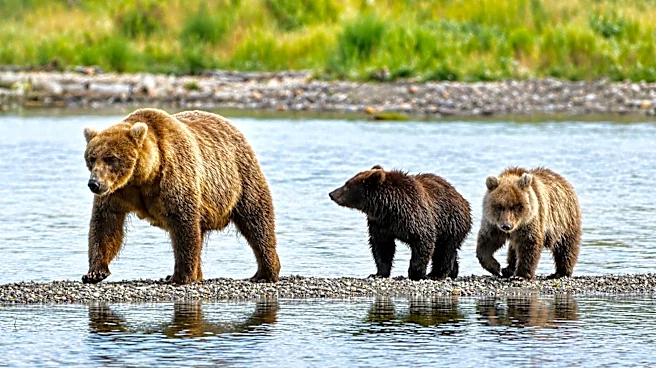
The most recognized role of fur is its ability to regulate body temperature. This is achieved through a combination of oily guard hairs on top and a dense underfur beneath. The guard hairs work to keep moisture from reaching the skin, while the underfur acts as an insulating blanket, trapping a layer of dry air close to the body to maintain warmth. This insulating capacity is crucial for mammals living in diverse climates, from the frigid Arctic to scorching deserts.
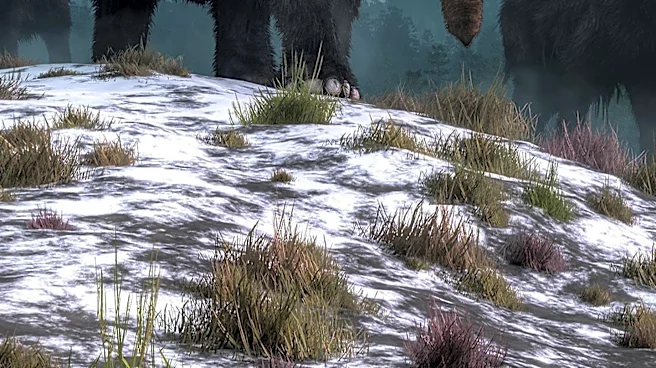
Interestingly, hair length alone is not the sole determinant of thermoregulatory effectiveness. Some tropical mammals, like sloths, possess fur as long as that of arctic mammals but with less insulation. Conversely, certain tropical species with short hair can achieve the same insulating value as their arctic counterparts. The denseness of fur, however, significantly impacts insulation. Arctic mammals, in particular, exhibit exceptionally dense fur; for instance, the muskox has guard hairs reaching 12 inches (30 cm) and a thick underfur that creates an airtight coat, enabling it to endure temperatures as low as -40°F (-40°C).
Specialized Adaptations for Diverse Environments
Beyond insulation against cold, fur also plays a critical role in managing heat in warmer climates. Desert mammals, such as camels, utilize dense fur to prevent solar heat from penetrating to their skin. A camel's fur can reach temperatures of 158°F (70°C) in the summer, yet its skin remains at a cooler 104°F (40°C), demonstrating the fur's effectiveness as a thermal barrier. For aquatic mammals, fur serves a different thermoregulatory purpose: it traps air to conserve heat by keeping the skin dry, a vital adaptation for life in water.
Protection is another key function. Guard hairs can reduce the severity of cuts or scratches to the skin, acting as a physical shield. The pilomotor reflex, seen in many mammals like domestic dogs and cats, allows them to raise their guard hairs as a threat display when agitated, making them appear larger and more formidable to potential adversaries. This protective aspect extends to waterproofing, with the outer layer of guard hairs repelling water and blocking sunlight, safeguarding the undercoat and skin in wet or aquatic habitats, and from harmful ultraviolet radiation.
Camouflage, Communication, and Sensory Roles
Camouflage is a powerful influence on mammalian coat coloration, helping individuals blend into their surroundings to evade predators or ambush prey. Seasonal color changes, such as those observed in arctic foxes, collared lemmings, stoats, and snowshoe hares, where fur shifts from brown in summer to white in winter, are primarily driven by the need for camouflage. Aposematism, or warning coloration, is also evident in mammals like skunks and honey badgers, whose black-and-white pelage signals their ability to defend themselves.
Fur also plays a role in communication and sexual selection. Differences in coat color between males and females in many primate species can indicate nutrition and hormone levels, which are important factors in mate selection. Some arboreal mammals, including primates and marsupials, even display shades of violet, green, or blue skin on parts of their bodies, suggesting an adaptive advantage in their tree-dwelling environments. Furthermore, specialized sensory hairs, known as vibrissae or whiskers, provide crucial tactile information, allowing mammals to navigate their surroundings, especially in low light conditions.
The Layers of a Mammalian Coat
A mammalian fur coat, or pelage, can consist of up to three distinct layers, each contributing to its overall functionality. The innermost layer is the down hair, also called underfur or undercoat. These wavy or curly hairs are the shortest and most numerous, primarily responsible for thermoregulation by insulating a layer of dry air next to the skin. The outermost layer is the guard hair, which is longer, coarser, and nearly straight. These hairs protrude through the down hair, forming the visible surface of the coat. Guard hairs are typically the most pigmented and glossy, displaying coat markings for camouflage or display, and are crucial for repelling water and blocking sunlight.
Bridging the gap between down and guard hairs are awn hairs. These hairs begin their growth like guard hairs but become thin and wavy like down hair partway through their development. The proximal part of the awn hair assists in thermoregulation, while the distal part helps shed water. Mammals with well-developed down and guard hairs often have a large number of awn hairs, which can even make up the bulk of the visible coat. This layered structure allows for a highly adaptable and efficient fur system, enabling mammals to thrive in a vast range of ecological niches.