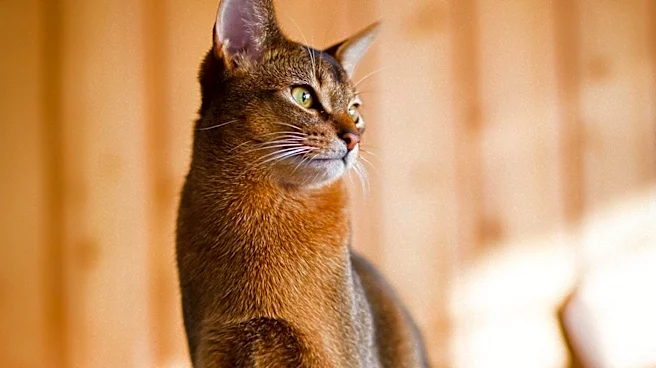

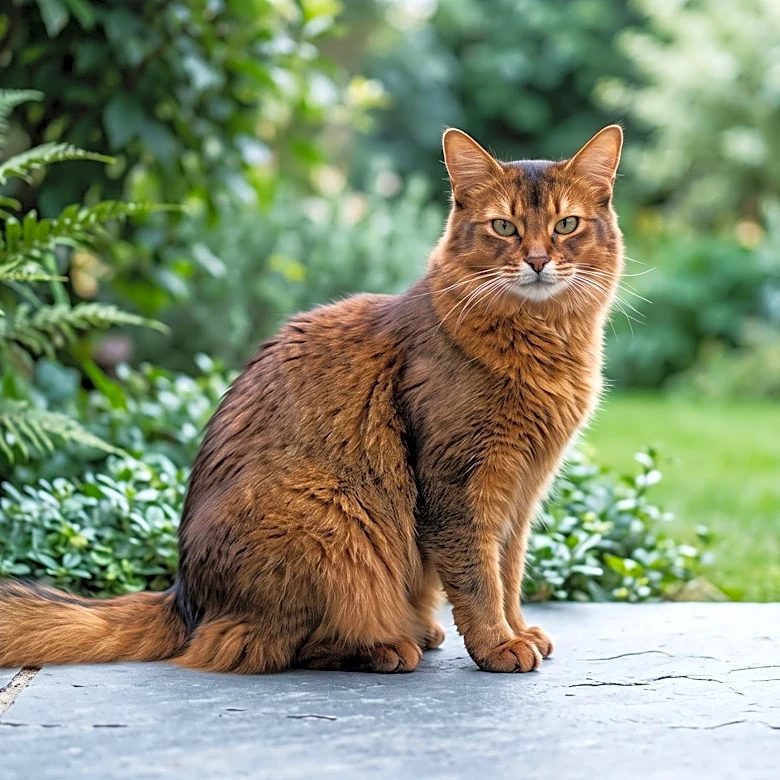




The Somali cat is a distinctive pedigree breed of domestic cat, known for its characteristic long, luscious coat. This breed is directly descended from the Abyssinian cat, and its unique long-haired trait comes from inheriting two copies of a recessive gene. The earliest Somali cats were observed as long-haired kittens appearing in litters of Abyssinians. The exact method by which this long-haired gene was introduced into the Abyssinian gene pool
remains an unsolved mystery, adding an intriguing layer to the breed's history. Often described simply as a long-haired Abyssinian, the Somali has a fascinating origin story rooted in both unexpected genetic expression and the dedicated efforts of a few pioneering breeders.
Early Appearances and Breeder Reactions
The first documented appearance of a long-haired Abyssinian, named 'Raby Chuffa of Selene,' occurred in North America in 1953. Breeders generally assume that the long-haired gene responsible for this trait was passed down through his ancestry. Initially, many Abyssinian breeders were quite taken aback by this sudden difference in appearance within their litters. Their reaction was often to refuse to acknowledge or even mention these long-haired kittens, as they deviated significantly from the established Abyssinian standard.However, not all breeders shared this apprehension. A select few were intrigued by the unique characteristic and chose to continue breeding these long-haired Abyssinians. This early divergence in breeder attitudes marked the beginning of the Somali cat's journey toward recognition as a distinct breed. The initial resistance from the wider Abyssinian breeding community highlights the challenges faced by those who championed the development of this new variety.
The Role of Key Individuals in Breed Development
In the 1940s, a British breeder named Janet Robertson played a significant role in the spread of Abyssinian cats, exporting kittens to Australia, New Zealand, and North America. It was among the descendants of these exported cats that the occasional long or fuzzy-coated kittens began to appear. This suggests that the recessive long-haired gene was already present, albeit hidden, within the Abyssinian lines being distributed globally.A pivotal moment arrived in 1963 when Mary Mailing, a Canadian breeder, entered one of these long-haired Abyssinians into a local pet show. Ken McGill, the judge at the show, was sufficiently impressed to request one for breeding purposes. This interaction marked an important step in bringing these unique cats into the public eye and initiating a more structured breeding program. Another Canadian breeder, Don Richings, later utilized kittens from McGill's lines and collaborated with Evelyn Mague, further solidifying the breed's foundation.
Naming and Recognition of the Somali
An American Abyssinian breeder, Evelyn Mague, also encountered long-haired kittens in her litters. She decided to name these cats "Somalis." Mague then actively sought out other breeders who had also been producing long-haired Abyssinians, discovering many internationally who had been working with them for several years. Her efforts to connect these breeders and establish a consistent breeding program were crucial.The name "Somali" itself is a thoughtful reference to the African nation of Somalia, which shares a border with Abyssinia, modern-day Ethiopia. Mague's choice of name was a unique interpretation of the historical Ethiopian-Somali conflict. She charitably assumed that just as land borders were human creations, so too were the genetic distinctions between the Abyssinian cat and its long-haired counterpart. The first Somali officially recognized by a fancier organization was Mayling Tutsuta, one of Ken McGill's cats, marking a significant milestone in the breed's formal acceptance.