
The Canadian-American rock group the Band, renowned for their distinctive sound and influential contributions to music, reached a significant turning point in their career with The Last Waltz concert.
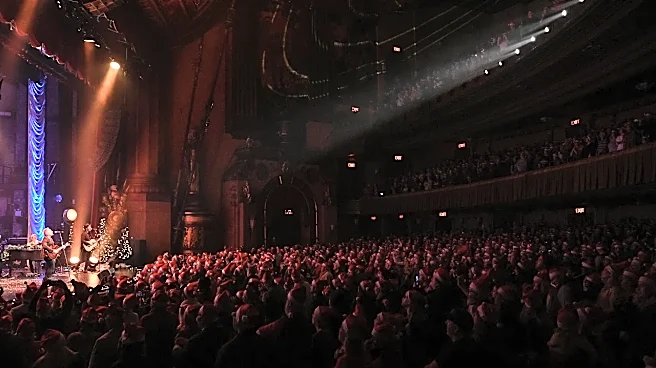
Held on American Thanksgiving Day, November 25, 1976, at San Francisco's Winterland Ballroom, this event was billed as their "farewell concert appearance." More than just a final show, it represented a deliberate shift in the band's trajectory, driven by a desire to move away from the demanding life of constant touring and explore a new identity as a studio-focused musical entity. This decision was rooted in years of experience on the road and a growing concern for the toll it took on the members.
The Weariness of the Road
The concept of a farewell concert began to take shape in early 1976, following a serious boating accident that injured Richard Manuel, one of the Band's key members. This incident served as a catalyst for Robbie Robertson, the band's primary songwriter and guitarist, to seriously consider the future of their live performances. Robertson articulated a recurring theme in interviews for the documentary film of the concert: the end of an era for the Band after 16 years of relentless touring. He openly expressed his apprehension about the longevity of such a lifestyle, stating to director Martin Scorsese, "That's what The Last Waltz is - 16 years on the road. The numbers start to scare you. I mean, I couldn't live with 20 years on the road. I don't think I could even discuss it." This sentiment underscored a deep-seated weariness with the constant travel and performance demands.
A Vision for a Studio-Only Future
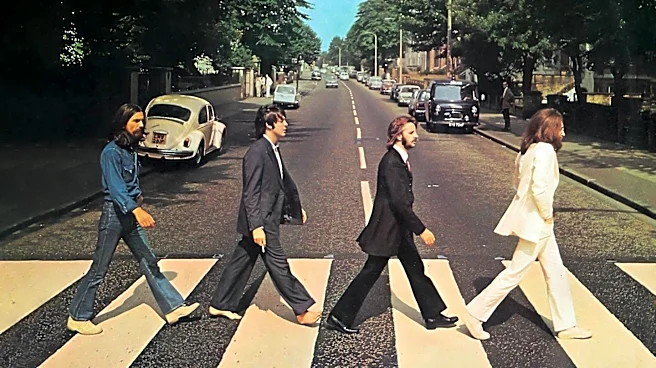
Robertson's reflections on the band's future led him to envision a significant change: the Band becoming a studio-only group. This idea was not without precedent in the music world; he drew inspiration from the Beatles' decision in 1966 to cease live shows and focus exclusively on studio recordings. This shift would allow the Band to concentrate on the creative process of making music without the exhaustive schedule of touring. The Last Waltz, therefore, was not merely an ending but also a symbolic transition, a deliberate step towards a different kind of musical existence. It represented a desire to preserve the band's artistry and well-being by removing the pressures and strains associated with life on the road.
The Band's Core and Collaborative Spirit
Despite the impending change in their operational model, the core of the Band remained a formidable musical unit. The group consisted of Rick Danko on bass, violin, and vocals; Levon Helm on drums, mandolin, and vocals; Garth Hudson on keyboards, saxophone, and accordion; Richard Manuel on keyboards, drums, percussion, and vocals; and Robbie Robertson on guitar and vocals. Their farewell concert was a testament to their collaborative spirit, as they were joined by more than a dozen special guests. These included former employers like Ronnie Hawkins and Bob Dylan, as well as a host of other influential artists such as Eric Clapton, Joni Mitchell, Van Morrison, and Muddy Waters. This grand collaboration, musically directed by their original record producer John Simon, showcased the Band's wide-ranging influence and their ability to connect with a diverse array of musical talents, even as they prepared to embark on a new chapter.