


Creedence Clearwater Revival's third studio album, 'Green River,' released in 1969, stands as a testament to the band's disciplined approach to music production. Unlike many of their contemporaries, Creedence Clearwater Revival, led by John Fogerty, focused on creating tightly structured songs that eschewed the lengthy, improvisational jams popular at the time. This article delves into the meticulous process behind the making of 'Green River,' highlighting
the band's commitment to their unique sound.
Recording Sessions
The recording sessions for 'Green River' took place between March and June 1969 at Wally Heider Studios in San Francisco. The band, known for their disciplined work ethic, approached the recording process with a clear vision. John Fogerty, the band's producer and primary songwriter, was the driving force behind the album's creation. He was determined to craft songs that were concise and impactful, avoiding the extended solos and free-form jams that characterized much of the era's rock music.
Fogerty's approach to recording was methodical. He believed that music should get to the point quickly, a philosophy that was reflected in the album's tight arrangements and focused sound. The band members, including bassist Stu Cook, had some latitude in writing and arranging their parts, but Fogerty's vision remained central to the album's production. This collaborative yet structured approach allowed Creedence Clearwater Revival to produce an album that was both cohesive and dynamic.
Songwriting and Inspiration
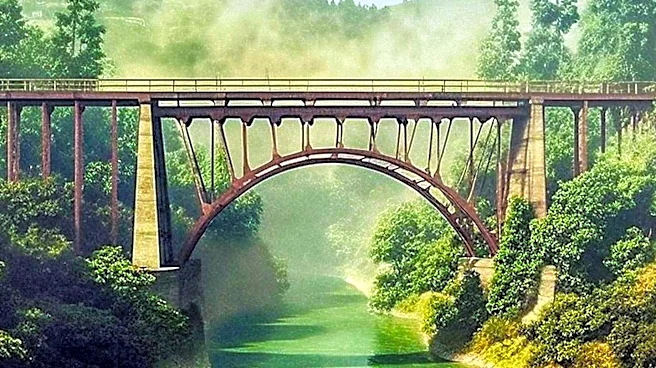
The songwriting on 'Green River' was deeply personal for John Fogerty. The title track, for instance, was inspired by his childhood memories of a vacation spot on Putah Creek near Winters, California. Fogerty's ability to weave personal anecdotes into his music gave the album a sense of authenticity and nostalgia. The song 'Green River' captures the essence of these memories, with references to dragonflies, bullfrogs, and a cabin owned by a descendant of Buffalo Bill Cody.
Fogerty's songwriting was not only personal but also reflective of the social and political climate of the time. Songs like 'Commotion' served as a metaphor for the unrest in America, while 'Bad Moon Rising' juxtaposed jaunty music with ominous lyrics inspired by a scene from the film 'The Devil and Daniel Webster.' This blend of personal and societal themes contributed to the album's enduring appeal.
Legacy and Impact
'Green River' was a commercial success, peaking at number two on the U.S. charts and eventually being certified triple Platinum. The album's disciplined production and evocative songwriting resonated with audiences, solidifying Creedence Clearwater Revival's place in rock history. Rolling Stone praised the album as a great work, noting its vivid American rock sound.
The legacy of 'Green River' extends beyond its commercial success. It represents a pivotal moment in Creedence Clearwater Revival's career, showcasing their ability to create music that was both accessible and profound. The album's impact is still felt today, as it continues to be celebrated for its timeless sound and the unique vision of John Fogerty.