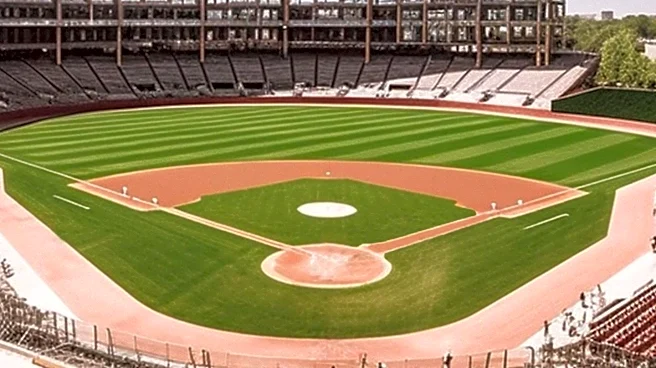






Wrigley Field, the iconic home of the Chicago Cubs, is more than just a baseball stadium; it is a symbol of the team's rich history and the passion of its fans. Located in the heart of Chicago, Wrigley Field has been the backdrop for countless memorable moments and has become an integral part of the Cubs' identity.
The Early Years of Wrigley Field
Originally known as Weeghman Park, Wrigley Field was built in 1914 for the Chicago Whales of the Federal League. When the league folded,
the Cubs moved to the stadium in 1916, and it was eventually renamed Wrigley Field in 1925 after the team's owner, William Wrigley Jr. This name change marked one of the earliest examples of corporate sponsorship in sports.
Wrigley Field quickly became a beloved venue, known for its unique features such as the ivy-covered outfield walls and the iconic red marquee at the entrance. The stadium's charm and character have made it a favorite among fans and players alike, contributing to its status as one of baseball's most storied ballparks.
A Venue for Historic Moments
Throughout its history, Wrigley Field has been the site of numerous historic events. From Babe Ruth's legendary "called shot" in the 1932 World Series to the Cubs' dramatic playoff runs, the stadium has witnessed the highs and lows of the team's journey. The "Homer in the Gloamin'" by Gabby Hartnett in 1938 is another memorable moment that took place at Wrigley, showcasing the stadium's role in Cubs lore.
Wrigley Field has also hosted non-baseball events, including concerts and other sports, further cementing its place as a cultural landmark in Chicago. Its location in the vibrant Wrigleyville neighborhood adds to its appeal, drawing visitors from around the world to experience its unique atmosphere.
The Modern Era and Renovations
In recent years, Wrigley Field has undergone significant renovations to preserve its historic charm while modernizing its facilities. These updates have included improvements to seating, amenities, and infrastructure, ensuring that the stadium remains a top destination for baseball fans.
Despite these changes, Wrigley Field has retained its iconic features, continuing to serve as a symbol of the Cubs' legacy. The stadium's enduring appeal is a testament to its significance in the world of sports and its role as the heart of the Chicago Cubs.
Wrigley Field remains a cherished venue, embodying the spirit of the Cubs and their fans. Its history and character make it a unique and unforgettable place, where the past and present of baseball come together in harmony.