








Irritant diaper dermatitis, commonly known as diaper rash, is a prevalent skin condition affecting infants. It occurs in the diaper area due to various skin disorders and irritants. This article explores the causes, characteristics, and common misconceptions about this condition, providing a comprehensive understanding for caregivers and parents.
Causes of Irritant Diaper Dermatitis
Irritant diaper dermatitis develops when an infant's skin is exposed to prolonged wetness and increased
skin pH. This condition is often exacerbated by the combination of urine and feces, which can lead to the breakdown of the stratum corneum, the outermost layer of the skin. Factors such as diarrhea, frequent stools, tight diapers, and overexposure to ammonia can contribute to the development of this rash. In some cases, allergic reactions may also play a role, although evidence for this is limited.
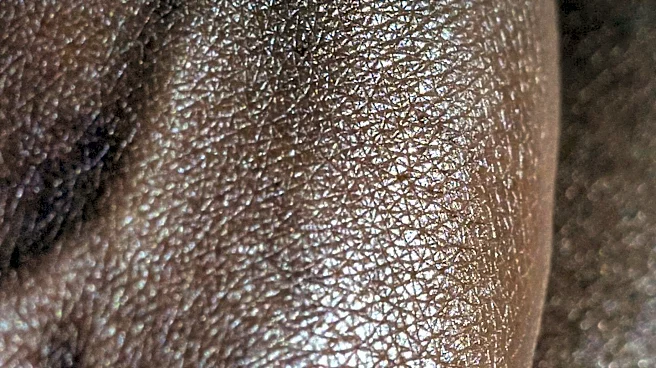
The stratum corneum is crucial in protecting the skin from water loss and injury. In adults, it consists of 25 to 30 layers of dead keratinocytes, which are continuously shed and replaced. These cells are interlaid with lipids that help form a waterproof barrier. When this barrier is compromised, as in the case of irritant diaper dermatitis, the skin becomes more susceptible to irritation and infection.
Characteristics of the Rash
Generic irritant diaper dermatitis is characterized by joined patches of erythema and scaling, primarily seen on the convex surfaces of the skin, with the skin folds typically spared. However, when secondary bacterial or fungal infections occur, the rash can spread to concave surfaces, including skin folds. This type of rash often presents with a central red, beefy erythema and satellite pustules around the border.
The term "diaper candidiasis" is used when a fungal origin is identified, which requires different treatment approaches, such as antifungal medications. Understanding these characteristics is essential for proper diagnosis and treatment, ensuring that the condition does not worsen or lead to further complications.
Misconceptions and Treatment
A common misconception is that the diaper itself causes the rash. In reality, the rash is associated with diaper use because of the materials trapped by the diaper, such as urine and feces. While allergic contact dermatitis has been suggested as a cause, there is little evidence to support this claim.
Treatment for irritant diaper dermatitis typically involves keeping the affected area clean and dry, using barrier creams, and allowing the skin to breathe. In cases of secondary infections, appropriate antibacterial or antifungal treatments may be necessary. Understanding the underlying causes and characteristics of the rash can help caregivers effectively manage and prevent irritant diaper dermatitis, ensuring the comfort and health of the infant.