



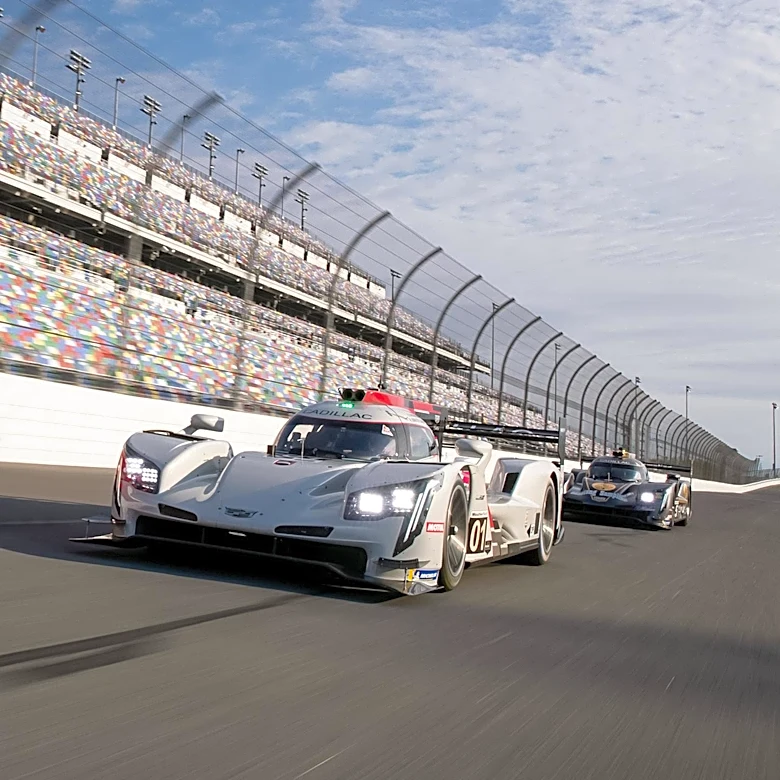



The Korea International Circuit, located in Yeongam, South Korea, was the venue for the Korean Grand Prix from 2010 to 2013. Designed to host one of the most prestigious motorsport events in the world, the circuit was a blend of ambition and challenges. This article explores the features of the Korea International Circuit and its role in the Korean Grand Prix.
Design and Construction
The Korea International Circuit was designed by renowned German designer Hermann Tilke. The circuit
is 5.615 kilometers (3.489 miles) long and features 18 turns. It is a combination of permanent and temporary sections, with the temporary part running along the harbor side of the province. This unique design allowed spectators to view the race from various vantage points, including the promenade, hotels, and yachts.
Construction of the circuit began on September 2, 2009, with a budget of 88 billion won. Despite initial concerns about meeting the construction deadline, the circuit was completed on time for the inaugural race in 2010. The venue had a capacity of 135,000 spectators, making it a significant addition to the Formula One calendar.
Challenges and Criticisms
Despite its impressive design, the Korea International Circuit faced several challenges. One of the main issues was the lack of accommodation for Formula One staff and spectators, which posed logistical difficulties. Additionally, the circuit's location, 320 kilometers (200 miles) south of Seoul, made it less accessible for international visitors.
The financial viability of the circuit was also a concern. The high cost of construction and the ongoing expenses of hosting a Formula One race put a strain on the organizers. The lack of government aid further compounded these challenges, leading to financial losses for the event.
Legacy and Future
The Korea International Circuit hosted the Korean Grand Prix for four years before the event was discontinued in 2013. Despite its short-lived tenure on the Formula One calendar, the circuit remains a notable venue in the history of the sport.
Today, the Korea International Circuit hosts local races and other motorsport events. While it may not have achieved the long-term success initially envisioned, the circuit's legacy as a Formula One venue endures. It serves as a reminder of the challenges and complexities involved in hosting a major international sporting event.
The Korea International Circuit's story is one of ambition and resilience, reflecting the broader narrative of the Korean Grand Prix and its place in the world of motorsport.