








Quilting is more than just a craft; it is a cultural expression that reflects the traditions and values of communities around the world. From the intricate designs of South Asian quilts to the bold patterns of Amish quilts, quilting serves as a medium for storytelling and cultural preservation. This article explores the diverse quilting practices across different regions and their significance.
South Asian Quilting Traditions
In South Asia, quilting is a deeply rooted tradition with
unique styles such as Nakshi Kantha and Ralli quilts. Nakshi Kantha quilts, originating in India, are made from scraps and worn-out fabric stitched together using kantha embroidery stitches. These quilts often incorporate old sari threads, creating intricate patterns that reflect the quilter's creativity and resourcefulness.
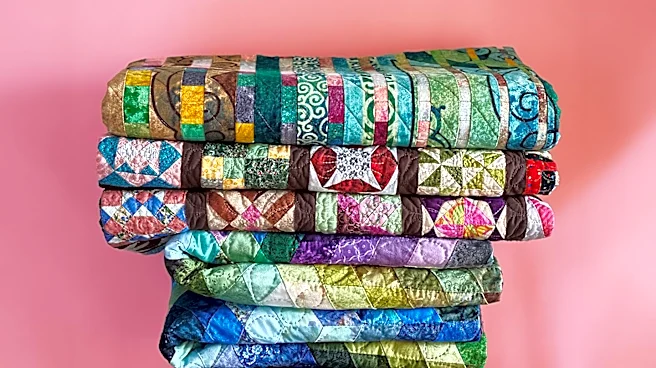
Ralli quilts, made in Pakistan and western India, are crafted by women from various social and religious backgrounds. The quilt tops are designed using scraps of hand-dyed cotton, often from old dresses or shawls. The colors and designs vary among different groups, showcasing the cultural diversity within the region. Ralli quilts are a testament to the communal spirit, as they are sewn together by members of the designer's family and community.
European and American Quilting Styles
Quilting has been part of the European needlework tradition since the fifth century, with early objects containing Egyptian cotton. The return of Crusaders from the Middle East in the twelfth century introduced quilted bedding and garments to Europe. The Tristan quilt, made in Italy in the late-fourteenth century, is a notable example of early European quilting.
In America, quilting became a significant cultural practice, with distinct styles emerging among different communities. African-American quilts, Amish quilts, and Native American quilts each developed unique characteristics reflecting their cultural heritage. Quilting circles and bees became important social gatherings, fostering community bonds and sometimes taking on political significance.
Modern Quilting and Global Influence
Modern quilting has gained prominence in the early twenty-first century, characterized by bold colors, high contrast, and minimalism. The Modern Quilt Guild, founded in 2009, fosters modern quilting through workshops and conventions like QuiltCon. This movement draws inspiration from various cultural influences, including the Quilters of Gee's Bend and Amish quilts.
Contemporary quilting incorporates experimental materials and techniques, challenging traditional notions of quilting. Advances in technology, such as long-arm quilting machines and computer programs, have expanded the possibilities for creativity and innovation. Quilting continues to be a vibrant cultural expression, connecting communities and preserving traditions across the globe.