


Cosmetics are a staple in many people's daily routines, but not everyone is aware of the ingredients that make up these products. The International Nomenclature of Cosmetic Ingredients (INCI) provides a standardized naming system that helps consumers identify and understand the components of their cosmetics. Some of the most common ingredients include water, vitamin C carriers, and talc, each serving a specific purpose in the formulation of cosmetic products.
The Role of Water in Cosmetics
Water is one of the most prevalent ingredients in cosmetics, serving as a solvent and a base for many products. It is often listed as "Aqua" on ingredient labels, following the INCI naming convention. Water is essential for dissolving other ingredients and creating the desired consistency in products like creams, lotions, and serums.
In addition to its role as a solvent, water also helps to hydrate the skin. Many cosmetic products are designed to deliver moisture, and water is a key component in achieving this goal. By providing a base for other hydrating ingredients, water helps to ensure that the skin remains soft and supple.
Vitamin C Carriers: Ascorbyl Glucoside and Ascorbyl Palmitate
Vitamin C is a popular ingredient in cosmetics due to its antioxidant properties and its ability to brighten the skin. However, vitamin C is unstable and can degrade quickly when exposed to air and light. To address this issue, cosmetic formulations often use carriers like ascorbyl glucoside and ascorbyl palmitate.
Ascorbyl glucoside is a water-soluble carrier of vitamin C, while ascorbyl palmitate is fat-soluble. These carriers help to stabilize vitamin C, allowing it to be effectively incorporated into cosmetic products. By using these carriers, manufacturers can ensure that the vitamin C in their products remains potent and effective, providing the desired benefits to the skin.
The Use of Talc in Cosmetics
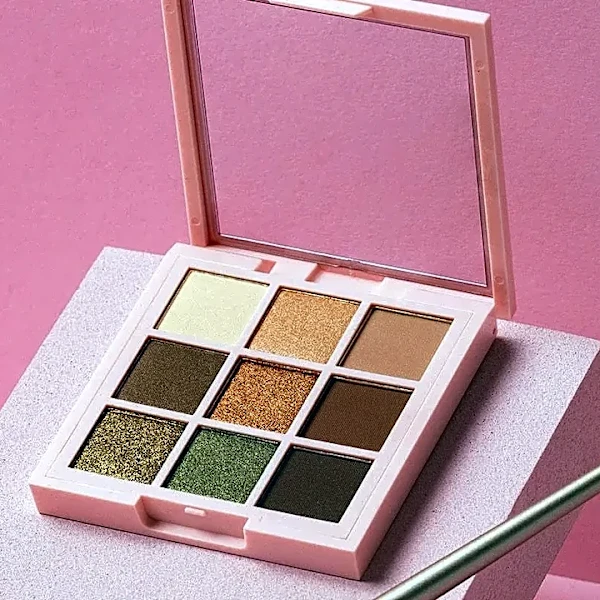
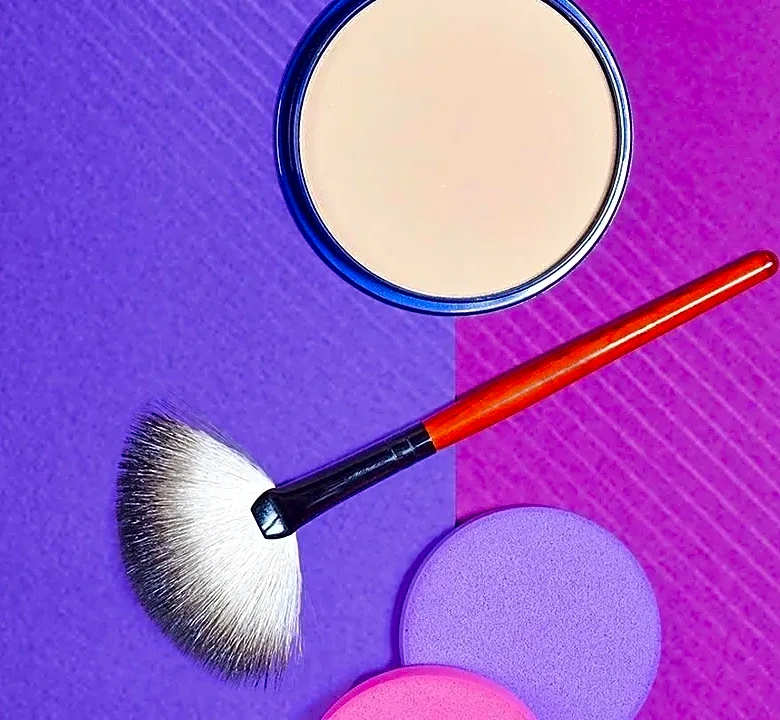
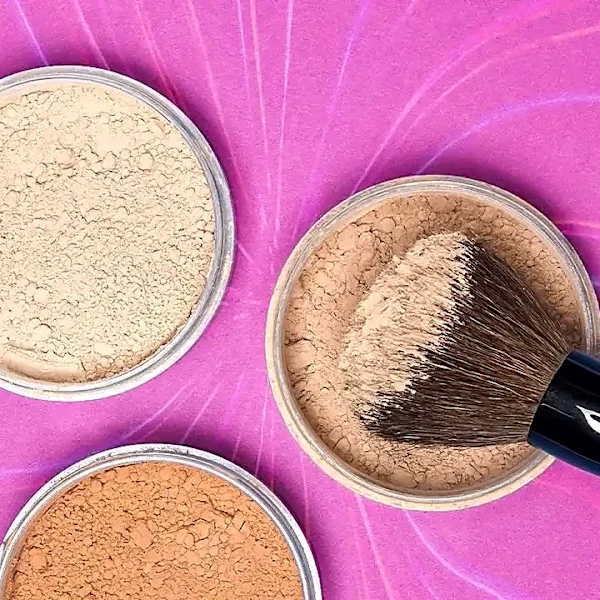
Talc is another common ingredient in cosmetics, known for its ability to absorb moisture and provide a smooth texture. It is often used in products like face powders, eyeshadows, and blushes to improve their application and finish. Talc helps to prevent caking and clumping, ensuring that makeup goes on smoothly and evenly.
Despite its widespread use, talc has been the subject of some controversy due to concerns about contamination with asbestos, a known carcinogen. However, the cosmetics industry is subject to strict regulations, and manufacturers must ensure that their talc is free from asbestos. As a result, talc remains a popular and effective ingredient in many cosmetic products.