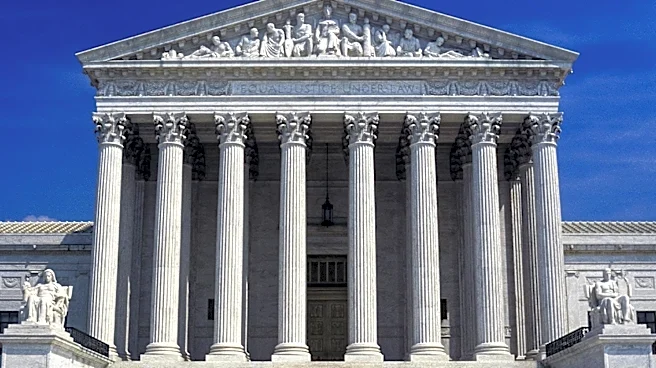











William J. Brennan Jr. served as a Justice of the United States Supreme Court from 1956 to 1990, leaving a profound impact on American jurisprudence. Appointed by President Dwight D. Eisenhower, Brennan became known for his liberal views and his commitment to the principles of free expression and equal justice. Over his 34-year tenure, he authored more than 1,200 opinions, shaping the legal landscape of the United States in significant ways.
Brennan's Appointment and Early Influence
William
J. Brennan Jr. was appointed to the Supreme Court by President Dwight D. Eisenhower in 1956. His appointment was part of Eisenhower's effort to bring a moderate voice to the Court. Brennan's background as a justice for the New Jersey Supreme Court and his service as a U.S. Army Major during World War II provided him with a unique perspective that he brought to the highest court in the land.
Brennan quickly became a key figure in the Court's liberal wing. His early influence was marked by his ability to build consensus among his fellow justices. Brennan's skill in crafting opinions that garnered broad support was instrumental in shaping the Court's decisions during a time of significant social change in the United States.
Key Contributions and Judicial Philosophy
Throughout his tenure, Brennan was known for his strong advocacy of individual rights and liberties. He played a crucial role in expanding the scope of the First Amendment, particularly in cases involving free speech and press. Brennan's opinions often emphasized the importance of protecting individual freedoms against government intrusion.
One of Brennan's most notable contributions was his role in the landmark case of New York Times Co. v. Sullivan, which established the "actual malice" standard for press reports about public officials. This decision significantly strengthened the freedom of the press and set a high bar for public figures to claim defamation.
Brennan's judicial philosophy was characterized by a belief in the living Constitution, the idea that the Constitution's meaning evolves over time to meet the needs of a changing society. This approach often put him at odds with more conservative justices who favored a strict interpretation of the Constitution.
Brennan's Legacy and Retirement
Brennan's legacy on the Supreme Court is marked by his unwavering commitment to civil rights and liberties. His opinions and dissents continue to influence legal thought and judicial decisions. Brennan's work laid the groundwork for many of the rights and protections that Americans enjoy today.
After serving on the Supreme Court for over three decades, Brennan retired in 1990 due to declining health. He was succeeded by Justice David Souter. Brennan's contributions to American law were recognized with numerous honors, including the Presidential Medal of Freedom, awarded by President Bill Clinton.
Brennan's impact on the Supreme Court and American society is enduring. His dedication to justice and equality remains a guiding light for future generations of legal scholars and practitioners.