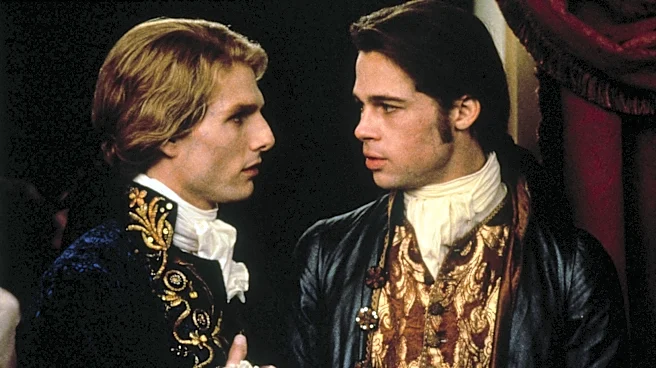





Released by Warner Bros. on November 11, 1994, the film "Interview with the Vampire" quickly established itself as both a critical and commercial success. Against a budget of $60 million, the movie went on to gross an impressive $223.7 million worldwide. Its opening weekend alone set new records, demonstrating a significant impact on the film industry at the time. The film's financial performance was complemented by generally positive reviews, and it garnered
recognition through several prestigious award nominations, highlighting its artistic and technical achievements.
Setting New Box Office Records
"Interview with the Vampire" made a remarkable debut at the box office, opening on Veterans Day, November 11, 1994. Its opening weekend gross amounted to $36.4 million, a figure that surpassed "Home Alone 2: Lost in New York" to achieve a November record. This strong performance placed it in the number one position at the U.S. box office, outperforming "The Santa Clause," which opened with $19.3 million. While some in the industry debated the exact figure, with estimates ranging from $34 million to $37 million, its success was undeniable.
At the time of its release, "Interview with the Vampire" secured the fifth-highest three-day opening weekend of all time, trailing only major blockbusters like "Jurassic Park," "Batman Returns," "The Lion King," and "Batman." Furthermore, its opening weekend was notable for being the biggest non-summer opening and the biggest R-rated opening weekend ever, underscoring its broad appeal and significant draw for audiences.
Critical Acclaim and Award Recognition
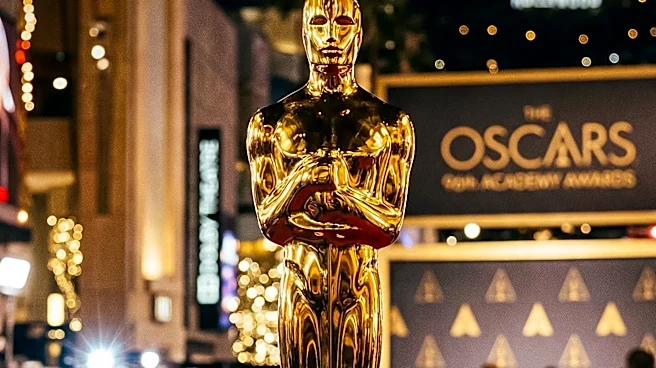
The film's success was not limited to its financial performance; it also received generally positive reviews from critics. This critical reception translated into recognition from major award bodies. "Interview with the Vampire" earned two Academy Award nominations, one for Best Art Direction and another for Best Original Score. These nominations acknowledged the film's strong visual aesthetic and its compelling musical accompaniment.
Beyond the Academy Awards, individual performances also received accolades. Kirsten Dunst, who played the child vampire Claudia, was nominated for a Golden Globe for Best Supporting Actress. This nomination highlighted her impactful portrayal in the film. The soundtrack, scored by Elliot Goldenthal, was released on December 13, 1994, and also received award nominations, including for the Academy Award and Golden Globe for Best Original Score, though it ultimately lost to "The Lion King."
Influences and Production Scale
Director Neil Jordan aimed for an epic scale for "Interview with the Vampire," drawing inspiration from films like "Gone with the Wind" and Francis Ford Coppola's "Bram Stoker's Dracula." The movie was given a substantial $70 million budget, which was considered unprecedented for a film in the vampire genre at the time. Jordan noted that it was rare to secure such a large budget for a complicated, dark, and dangerous movie, as vampire films traditionally operated on much smaller scales with rudimentary sets. Producer David Geffen played a crucial role in securing this funding, pouring money into the production to achieve the desired grand scope.